
Sand Overview
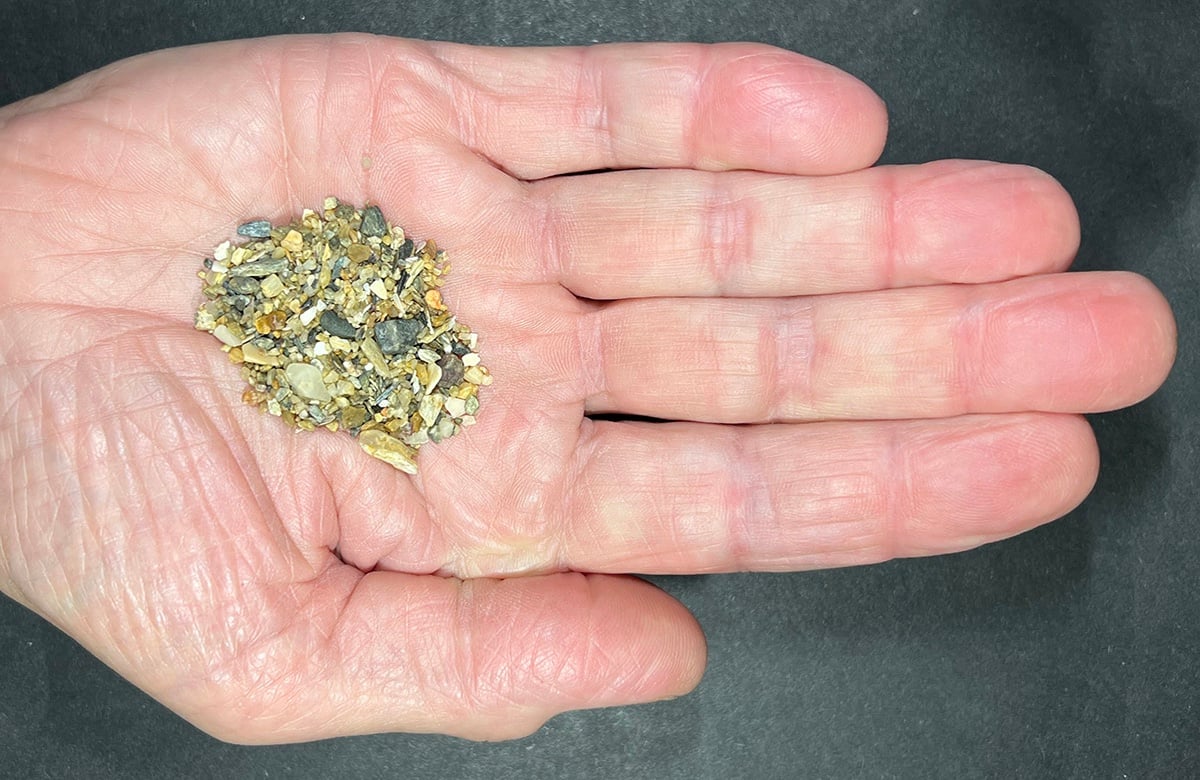
This small Wakanoura Beach features a mixture of coarse and fine geological and marine sand grains.
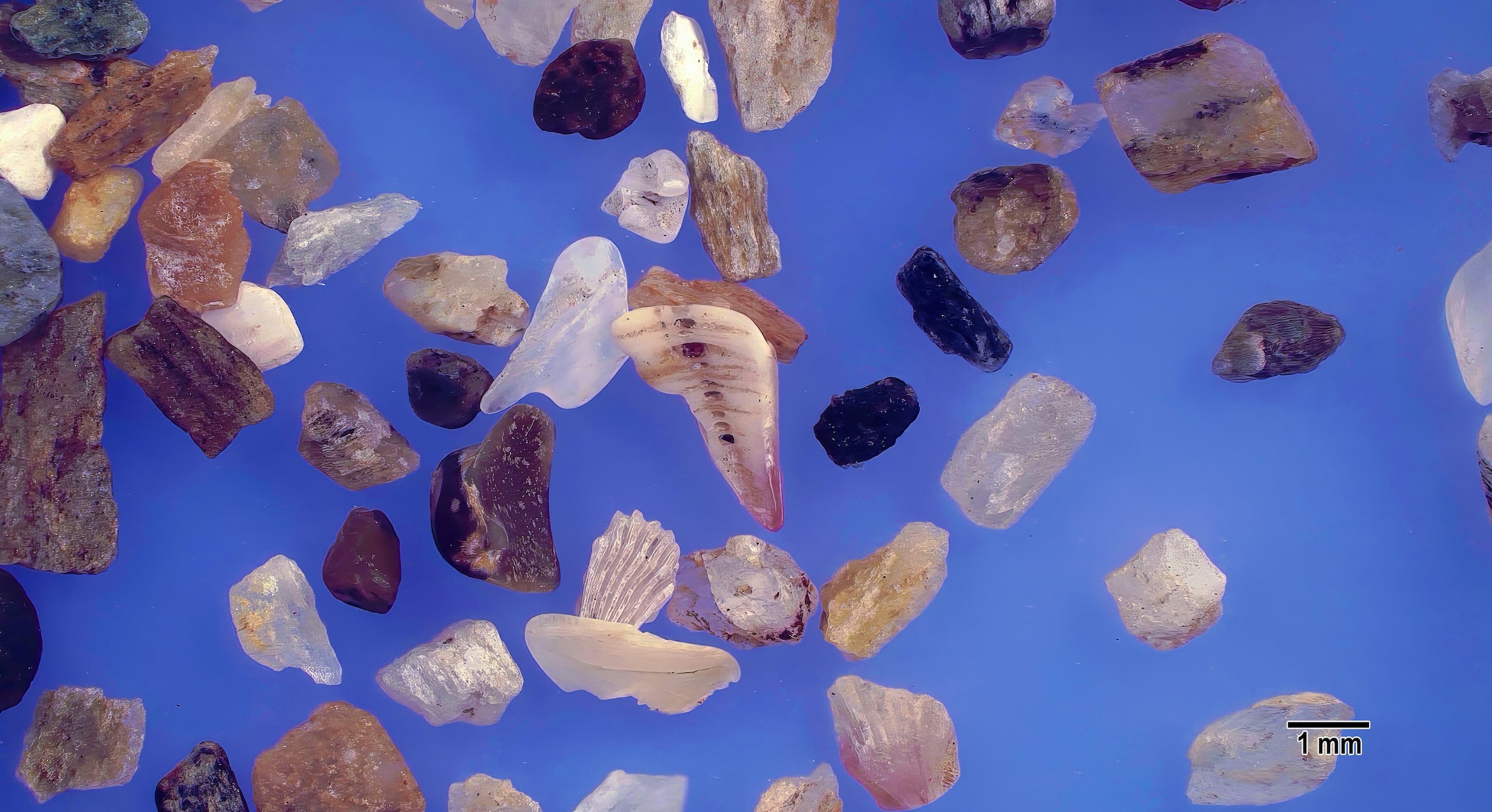
A variety of mostly marine fragments with smoothly worn edges include a mixture of mollusk shell pieces, some with distinctive parallel grooves. A couple of black grains near the center and red and black grain at top center are likely pieces of sedimentary rock sand grains.
Geographic Overview
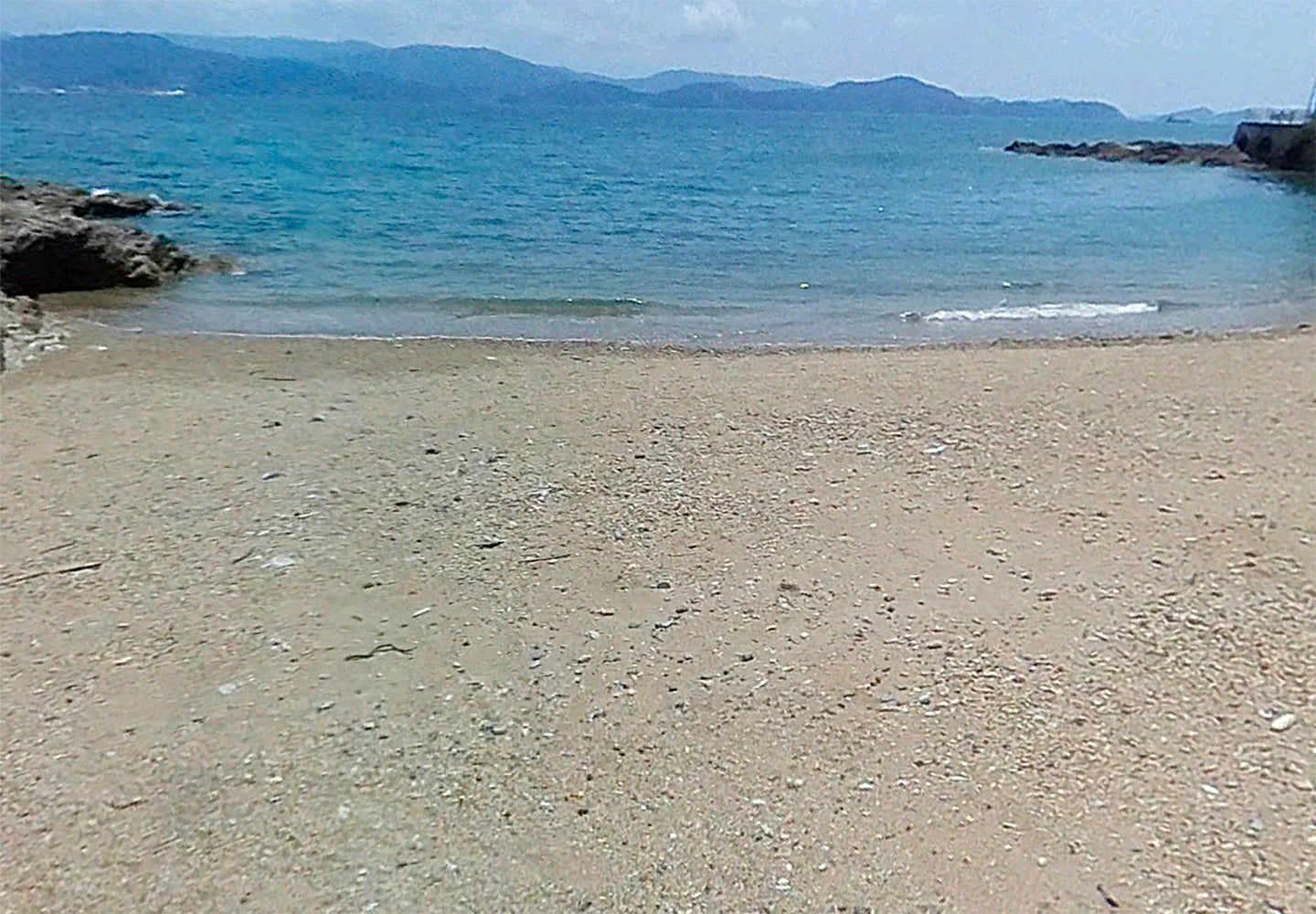
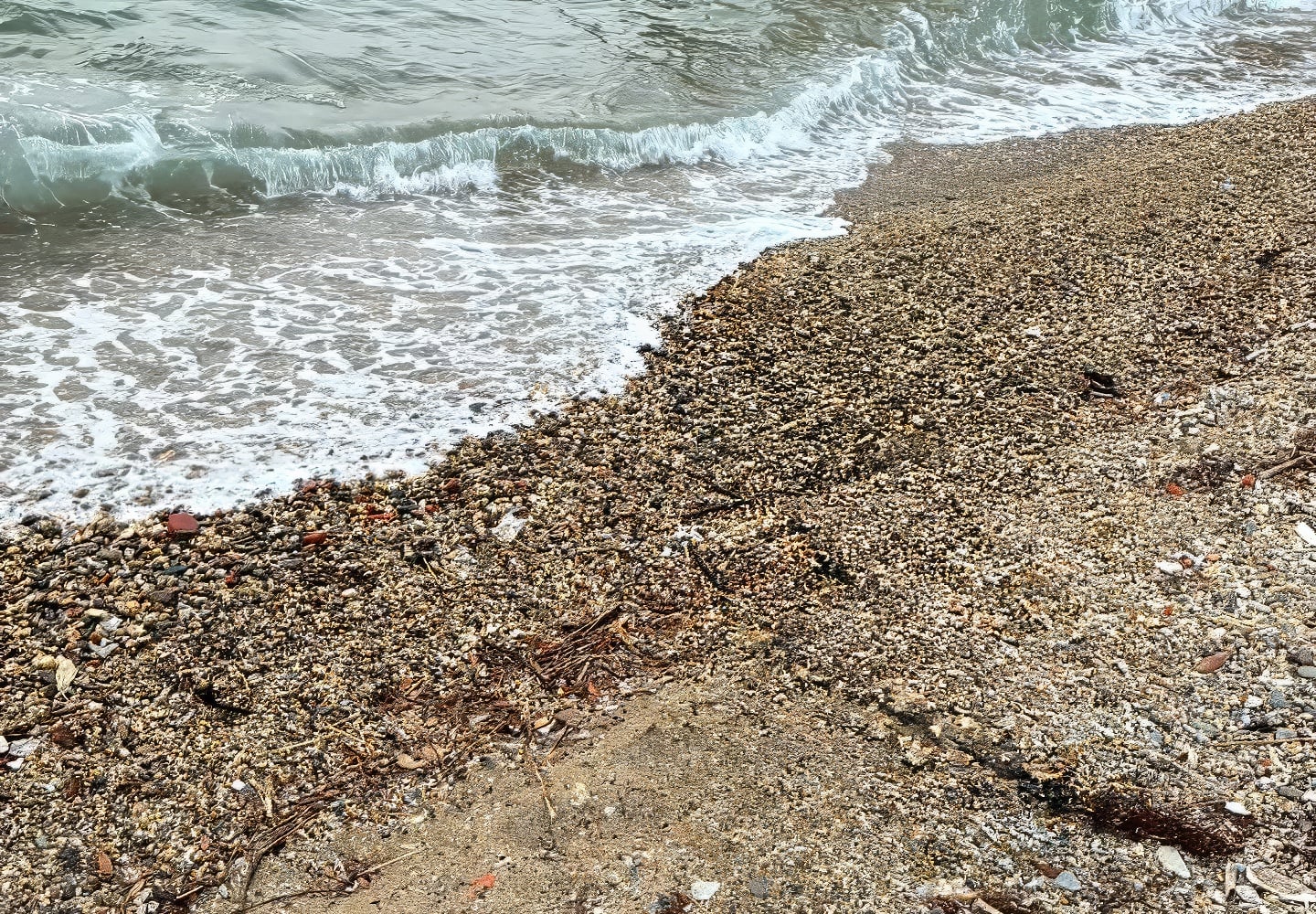
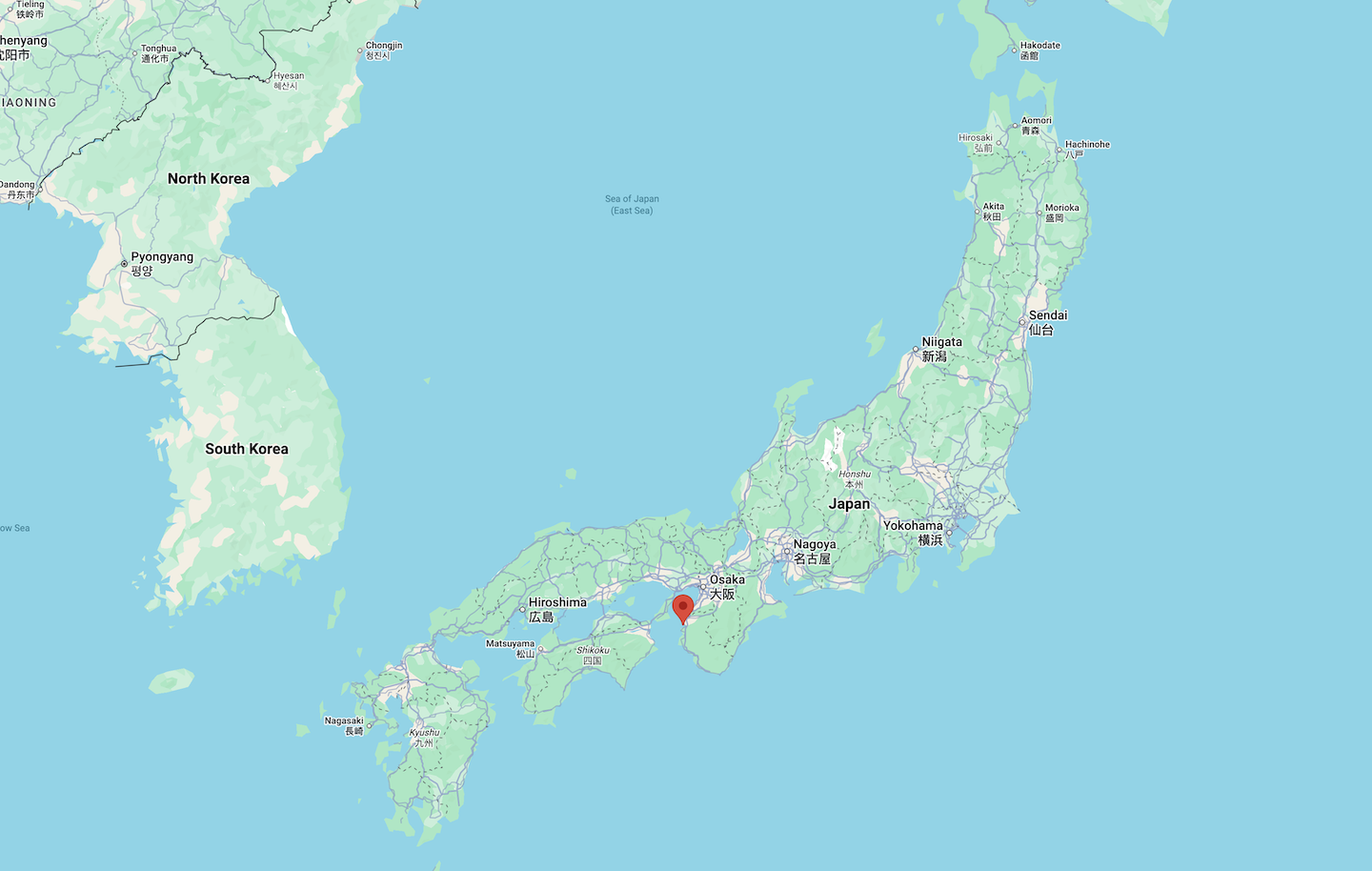
Sand Location
See where this sand was collected .
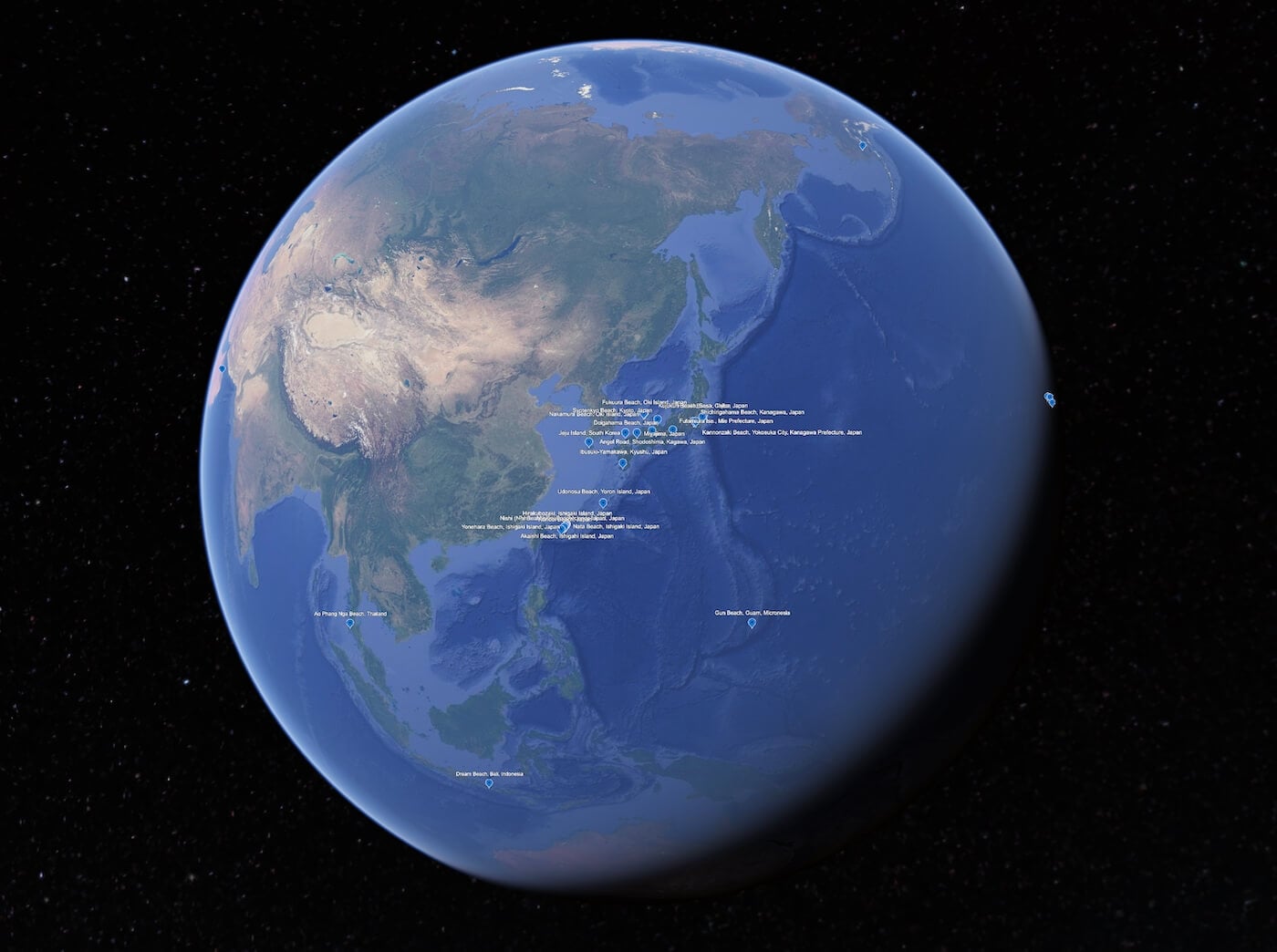
Virtual Sand Tour
Visit Wakanoura Beach on Google Earth.
Sand Gallery
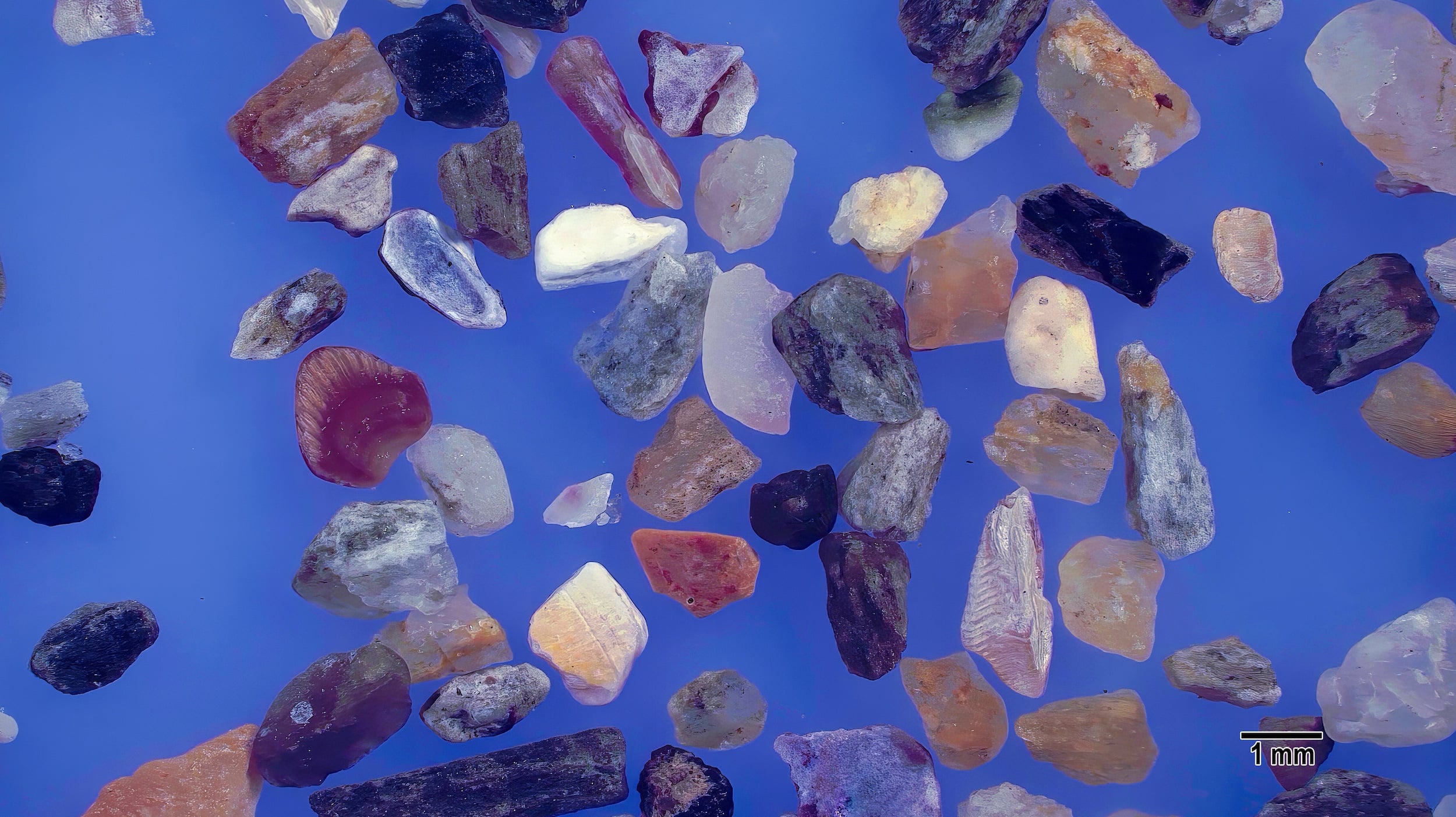
A variety of smooth surface grains, some with right degree angles, represent a colorful mixture of marine shell sand grains. Fragments with parallel grooves, one pink and red at the middle left of this view and the other light pink with white grooves at the right lower middle, may be fragments of smoothly worn barnacle shell plates. Dark gray and reddish gray grains represent geological components of this beach sand.
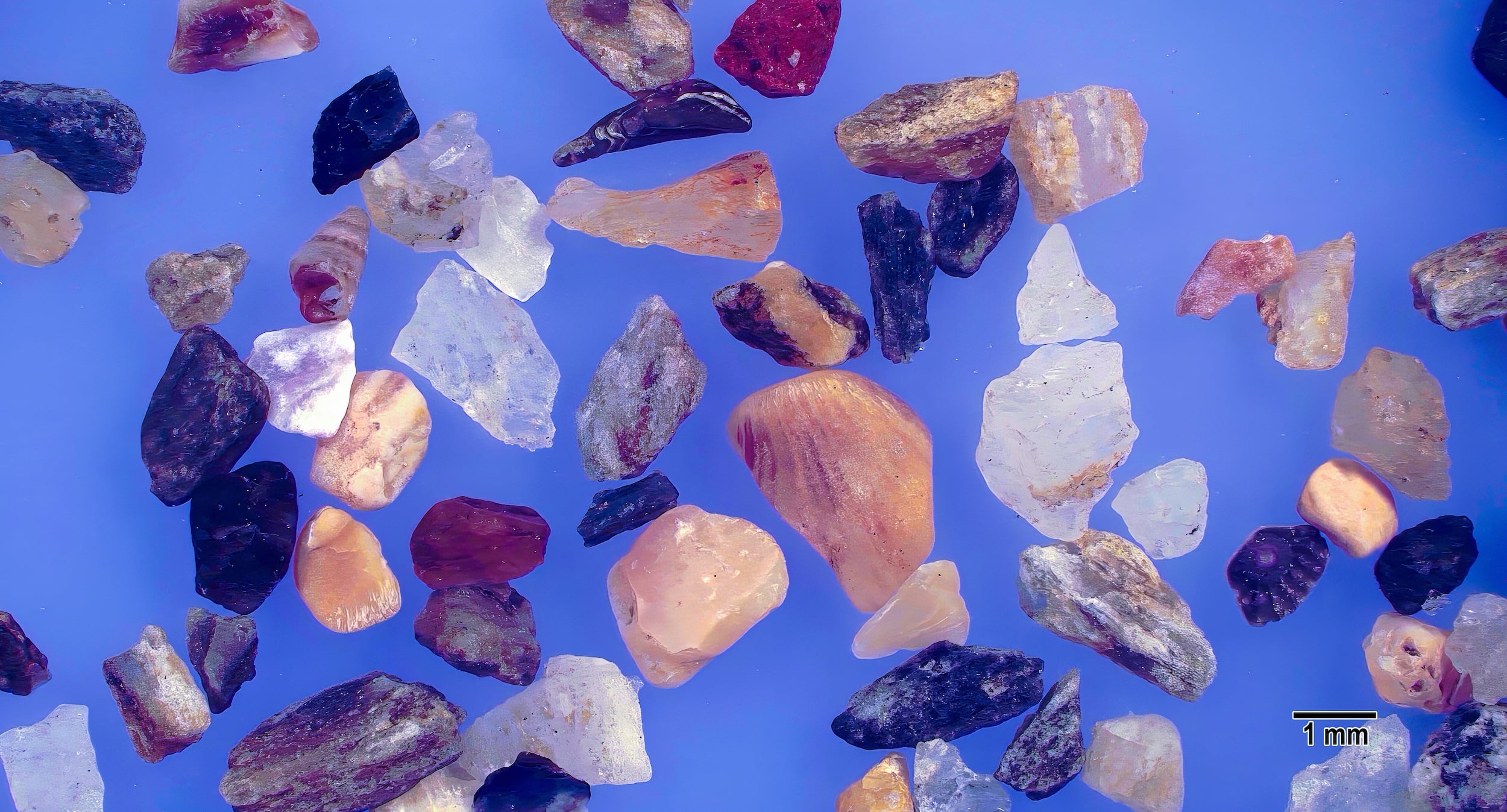
Tan, red and deep purple marine fragments are present in this view along with off-white and somewhat translucent fragments with angular edges that are likely other marine sand grains. Geological components of this beach sand are reddish gray and mottled black and gray grains.
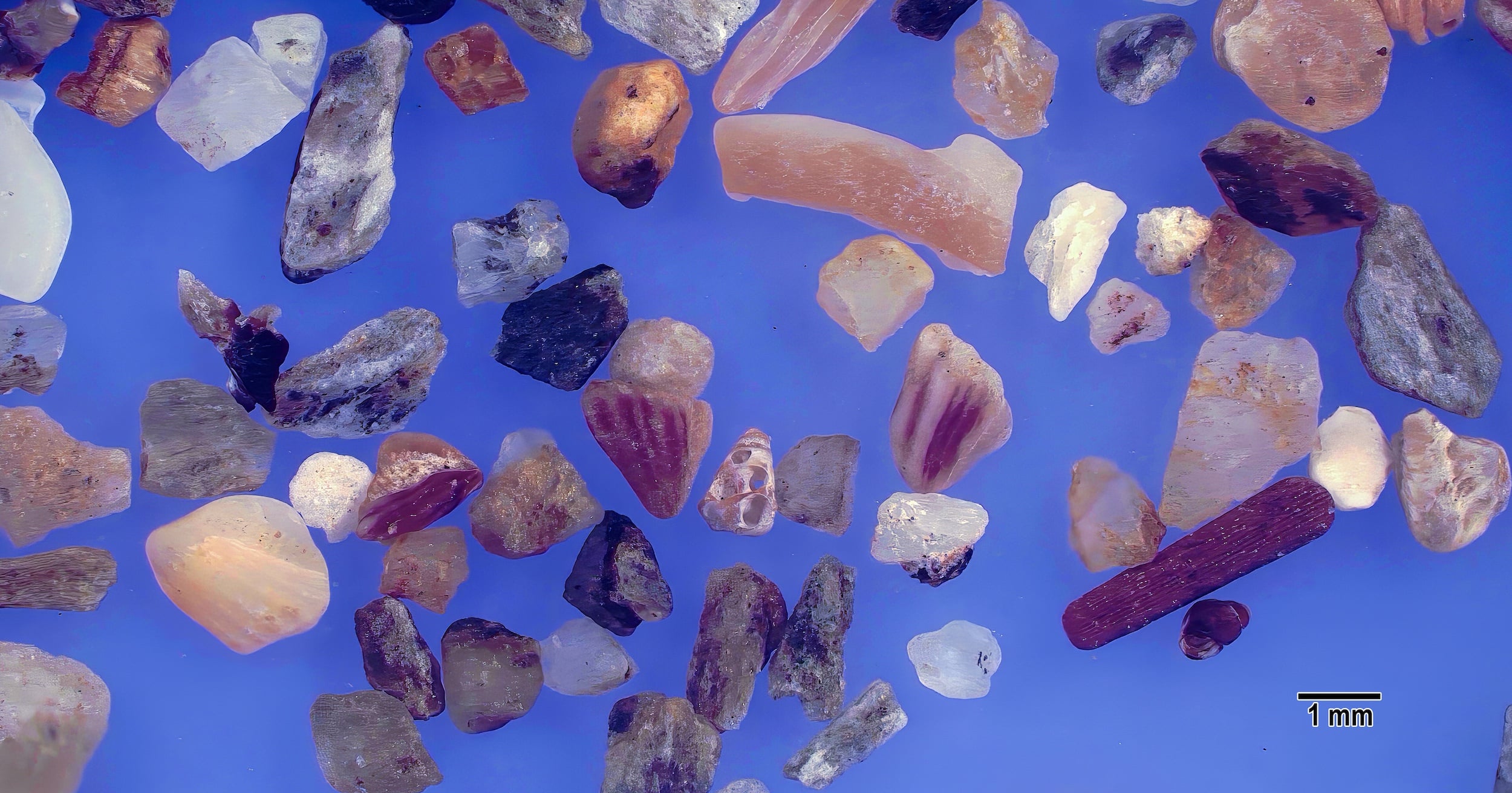
Light and dark tan marine fragments, some with deep red parallel groove striations, stand out in this sample. A maroon-reddish sea urchin spine at the lower right is immediately above a small maroon-red gastropod shell. The small mottled white and tan triangular fragment with holes as evidence of bioerosion in the center is what remains of a small snail. Gray grains with black or red areas represent geological components of sand on this Wakanoura beach.
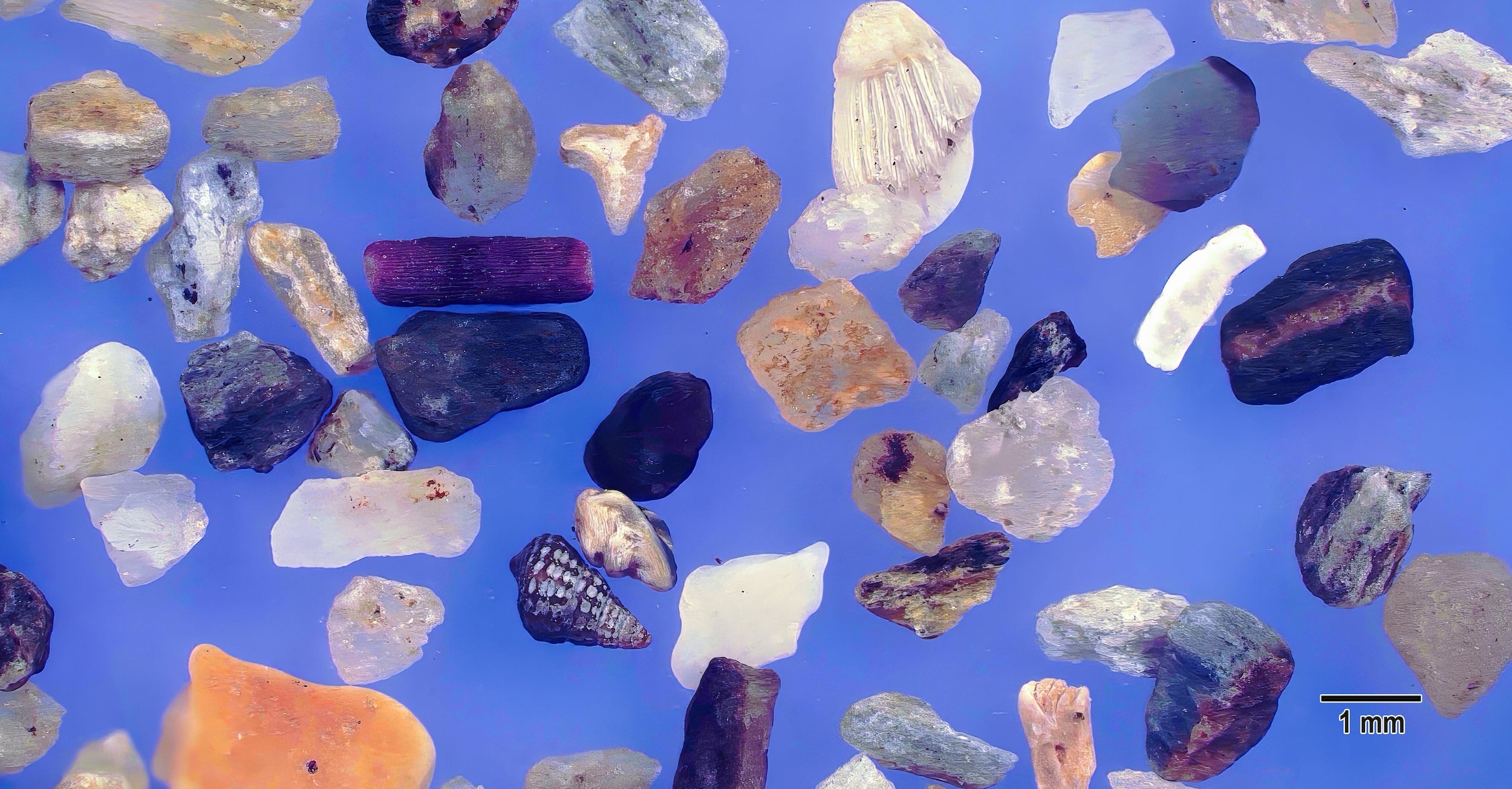
This mixture of marine sand grains includes a white fragment of barnacle shell plate at top center, a deep red sea urchin spine fragment left of center, and a conical microsnail (gastropod) shell at lower left of center. Darker grains are geological components of this beach sand.
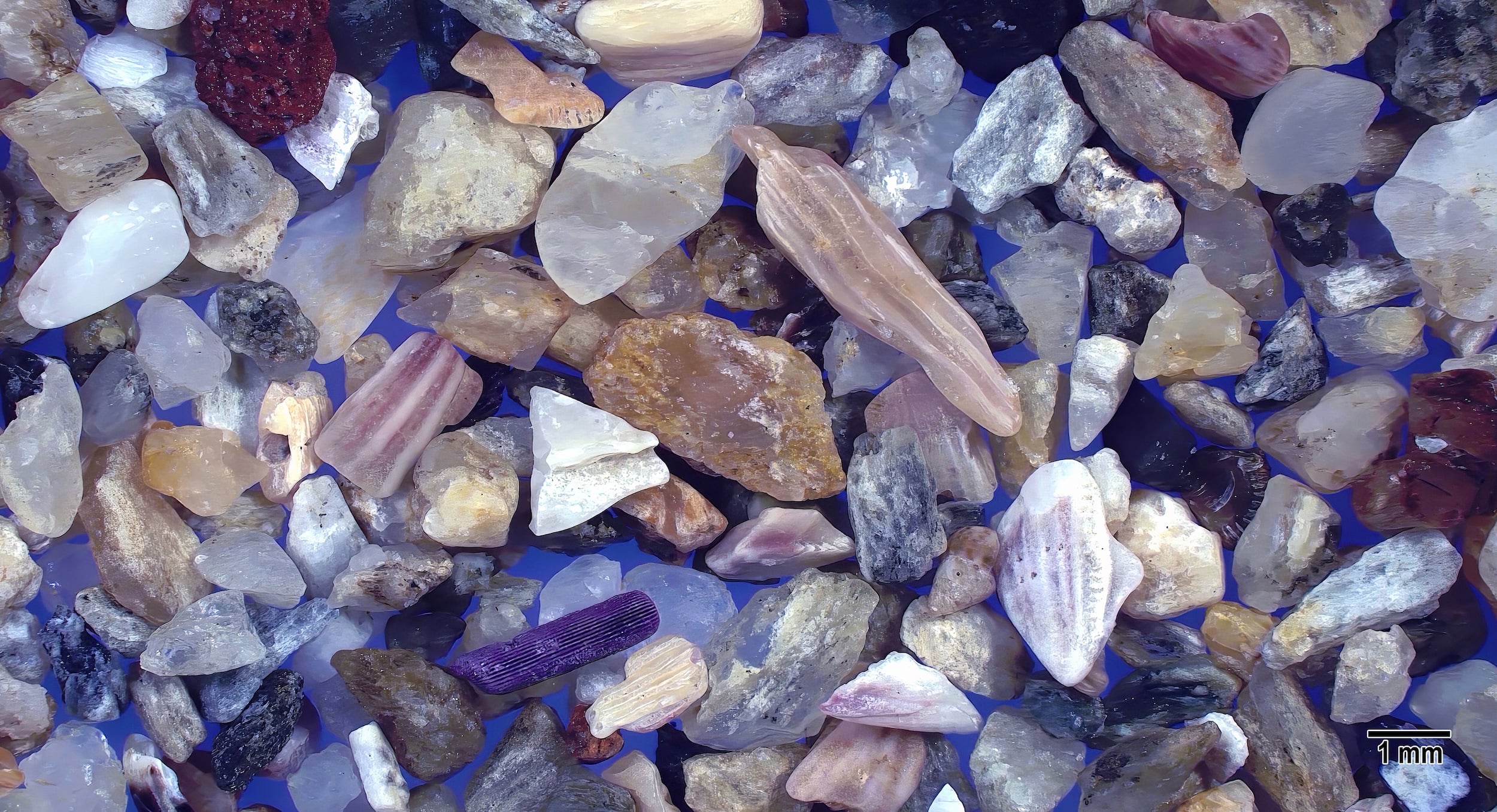
This colorful mixture of mollusk shell fragments reflects the wide diversity of marine life and geological sand grains in this Wakanoura sample.