
Sand Overview
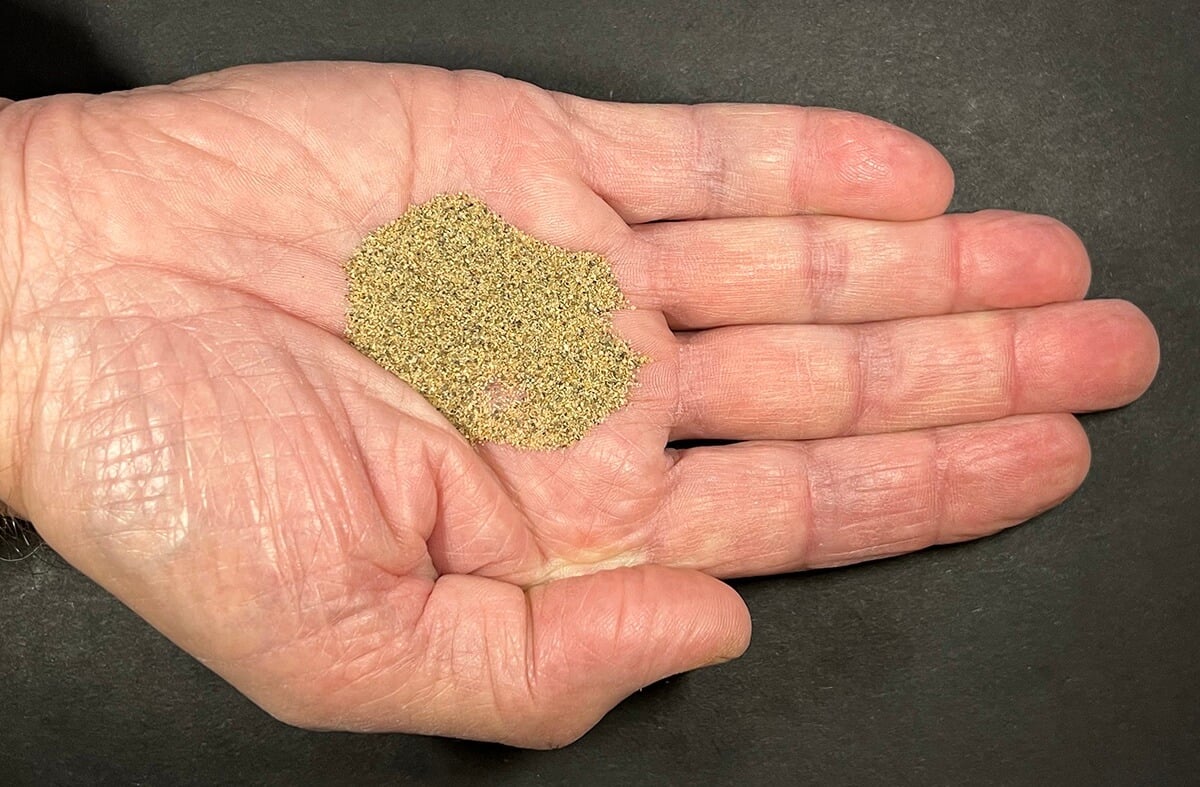
The Tattori Sand Dune area is a 30-squre kilometer massive coastal dune system formed over 100,000 years through the interplay of mountain erosion, river transport, marine currents and persistent winds. The sand consists of worn-down granite gravel with additions of ash and pumice from past volcanic eruptions.
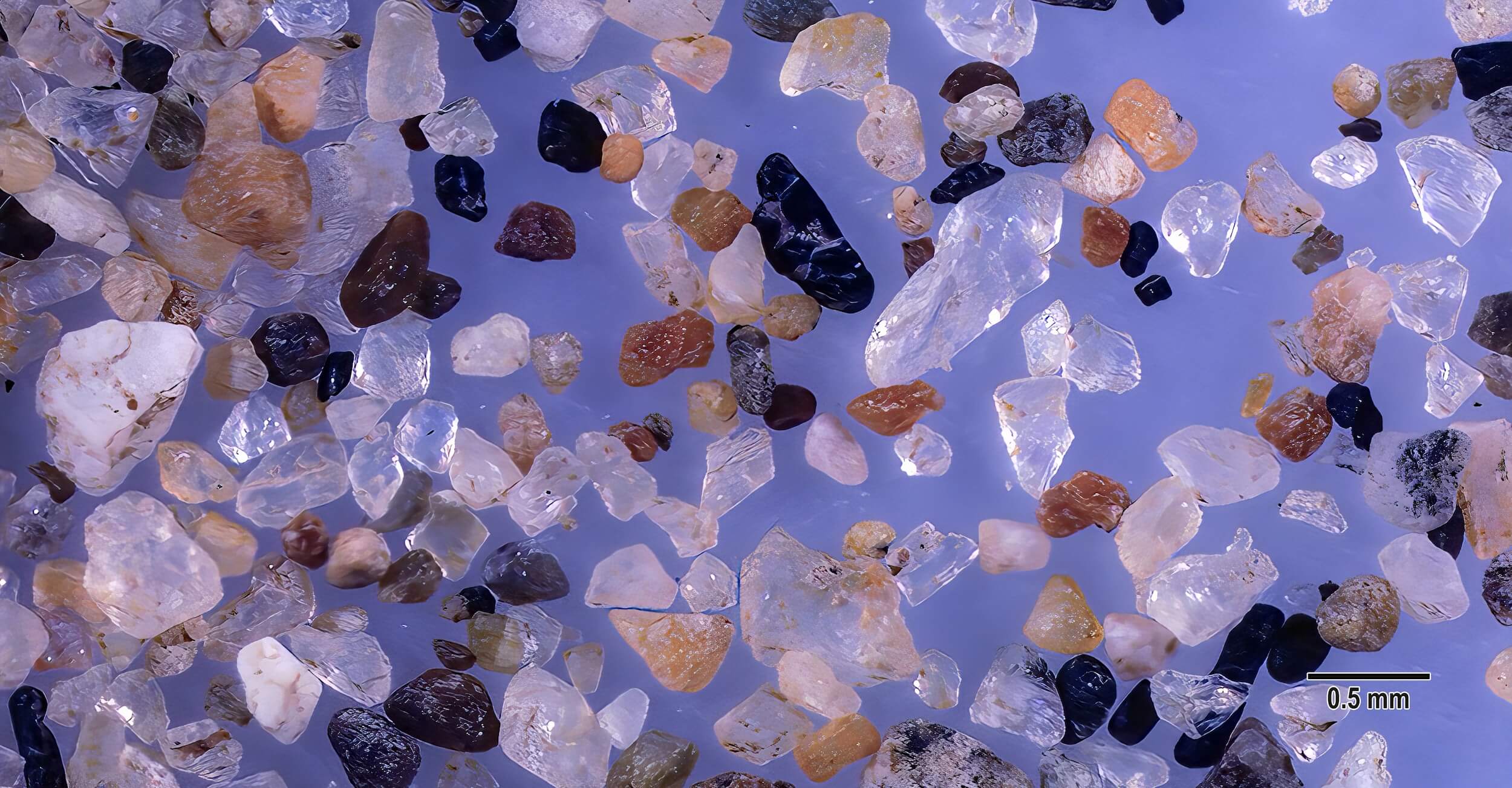
Tattori sand is a mixture of very small and larger sand grains consisting of a large percentage of partially clear quartz and smaller proportions of tan feldspar grains. Black and red-black grains are volcanic. Many of the grains have relatively smooth edges attesting to longer exposure to wear from wind and waves.
Geographic Overview
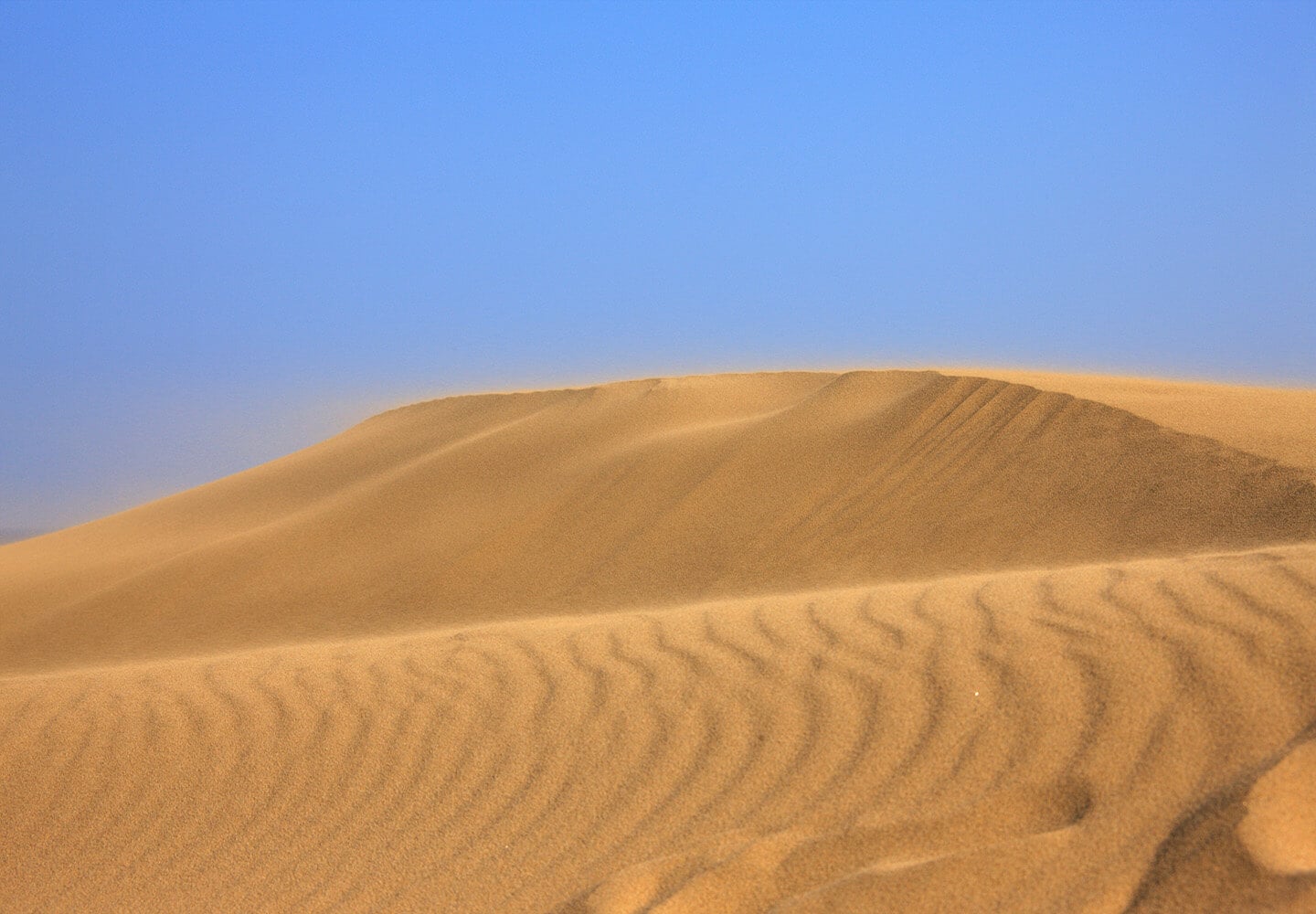
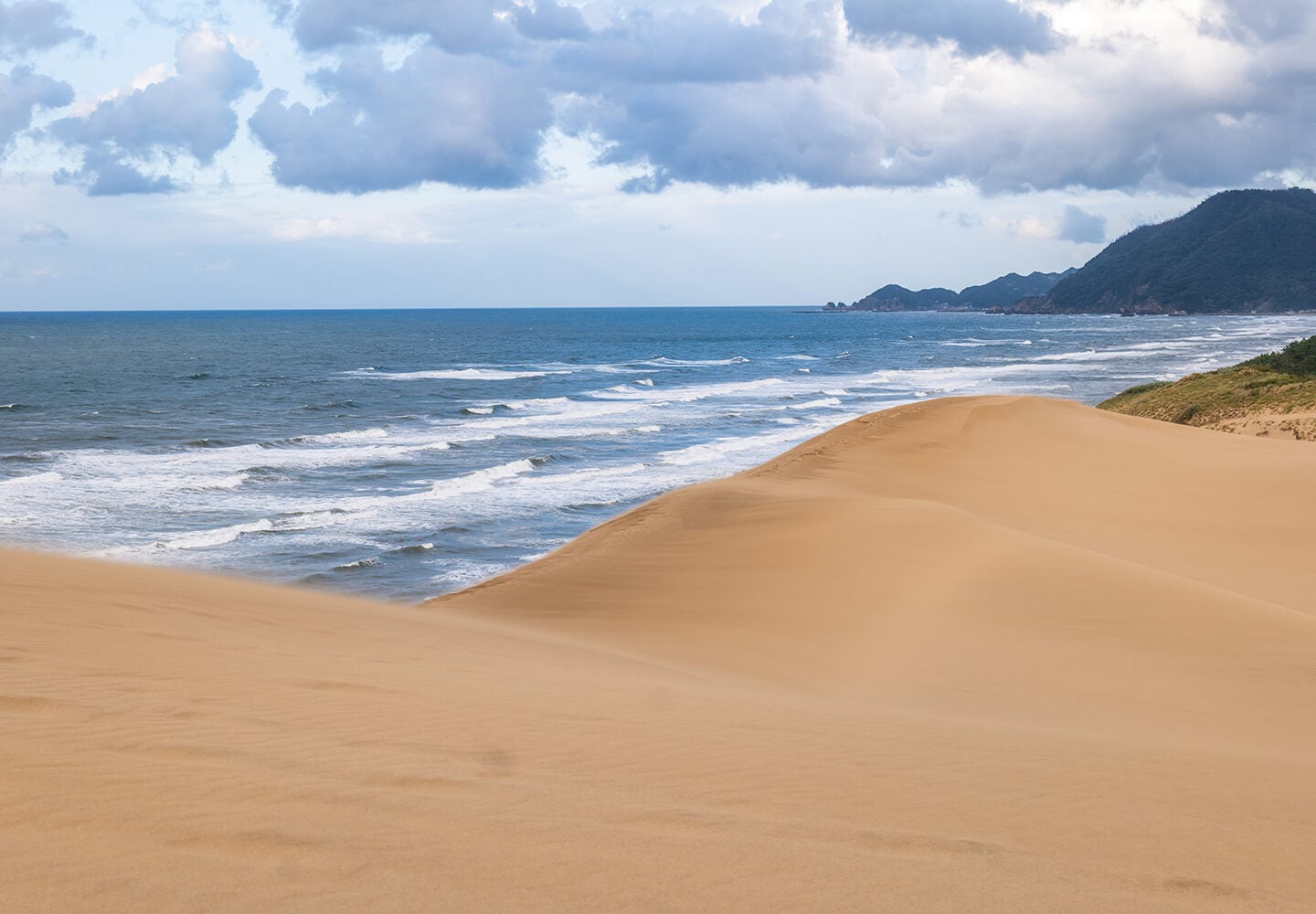
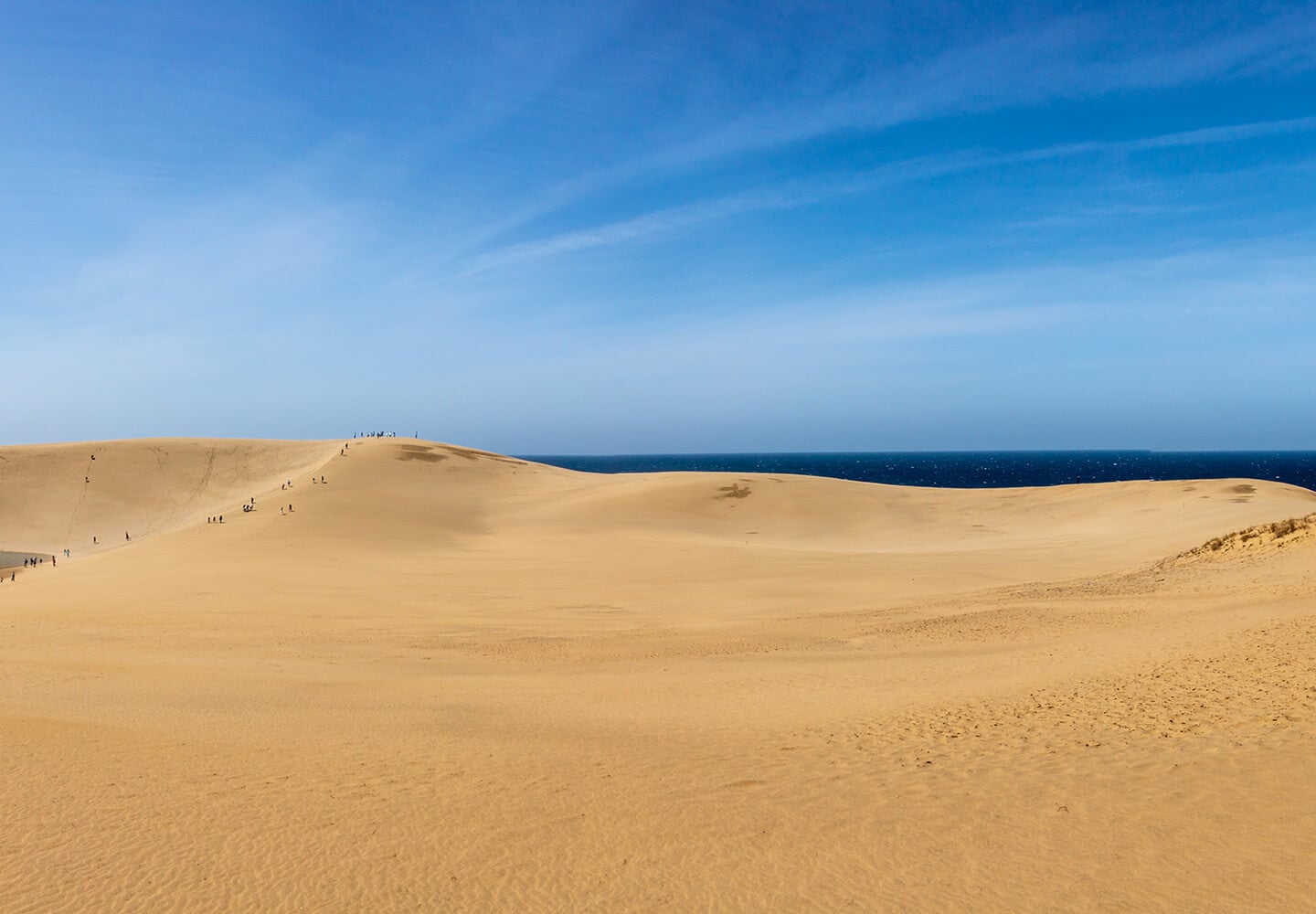
The Tottori Sakyu (Tottori Sand Dunes) were formed thousands of years ago when sand carried by the nearby Sendai River was dumped into the sea. Strong winds, a strong current, and waves deposited the sand along the coast, creating this desert oasis.
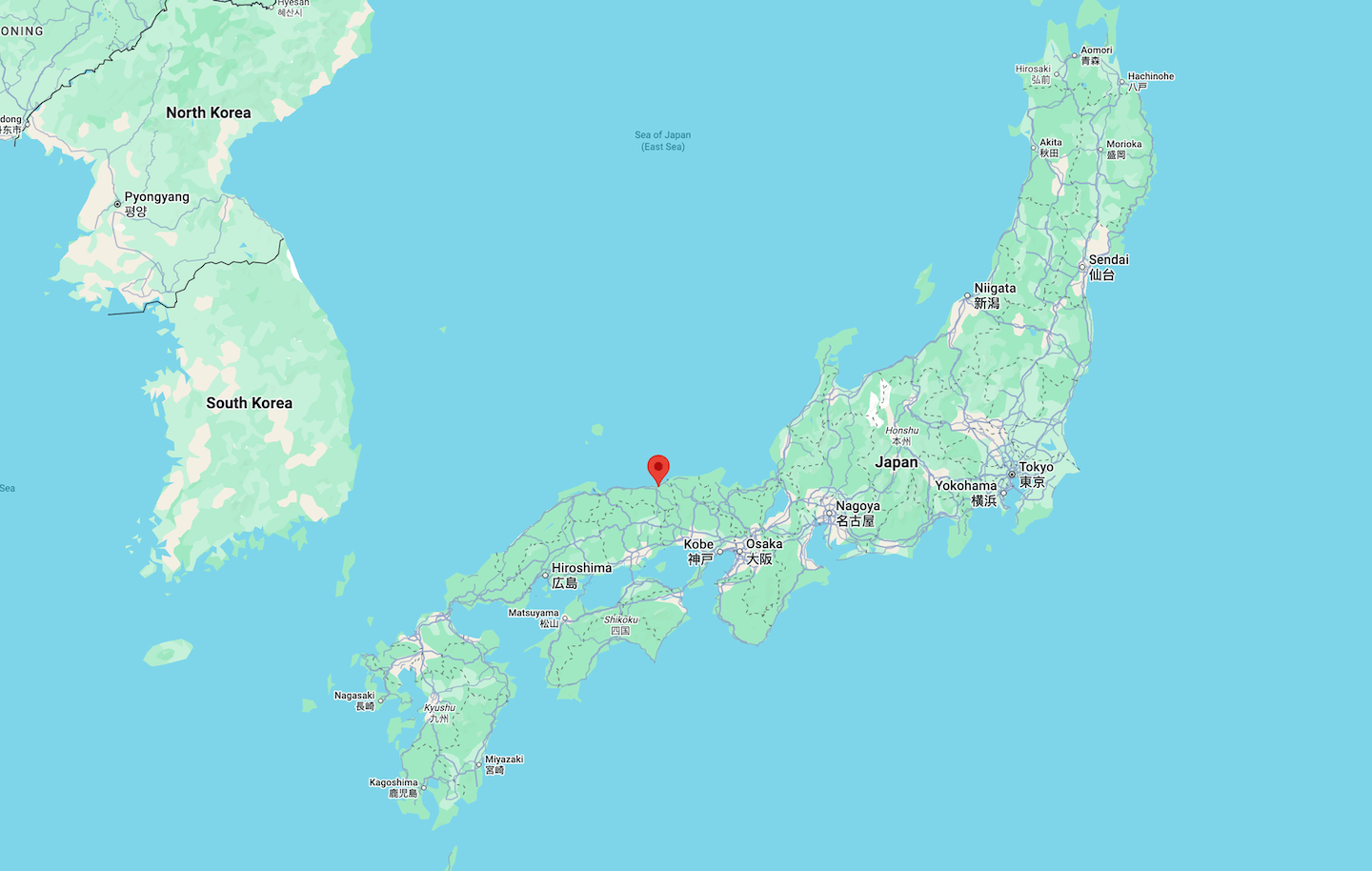
Sand Location
See where this sand was collected.
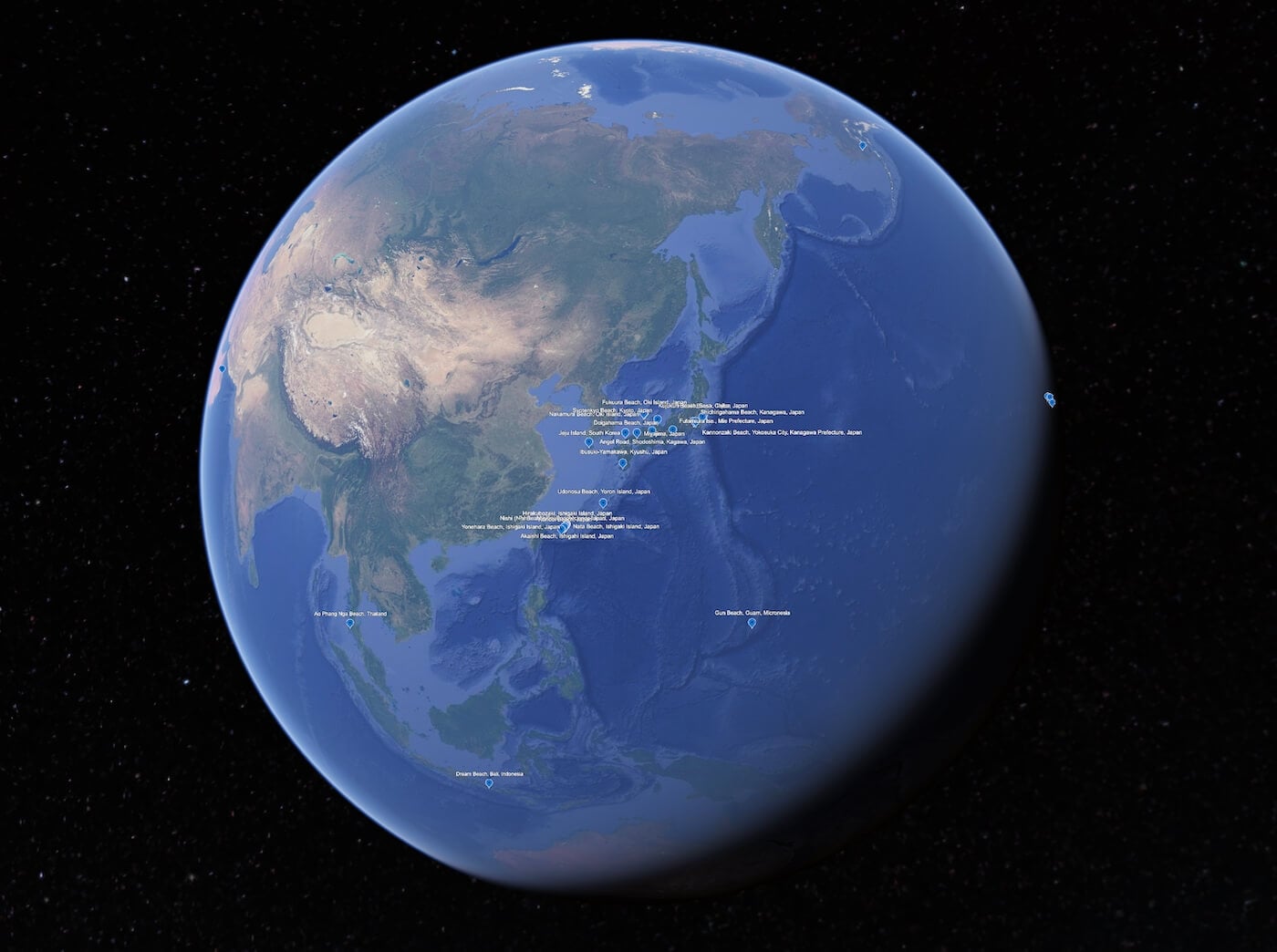
Virtual Sand Tour
Explore location on Google Earth.
Sand Gallery
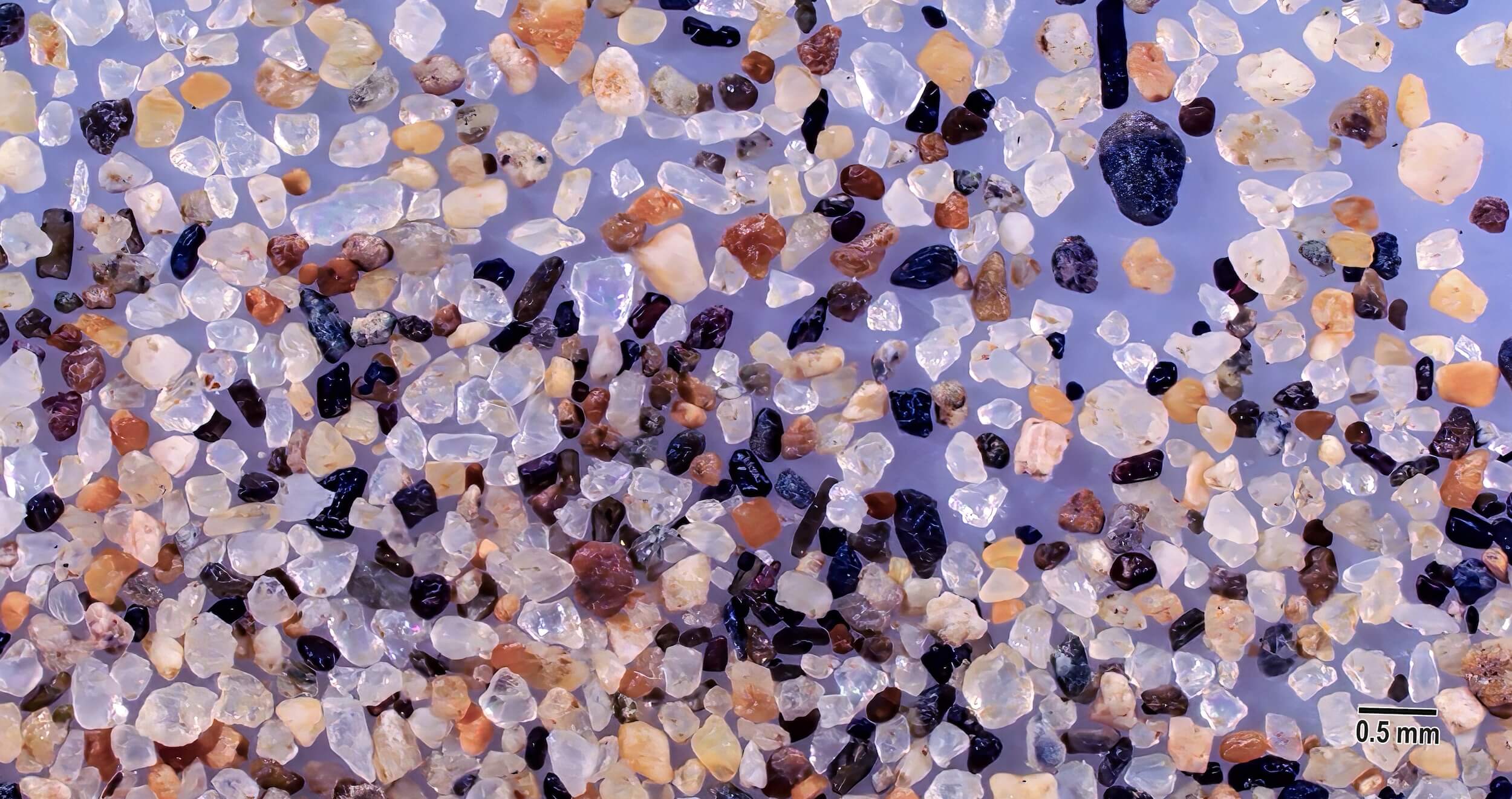
Tattori sand is a mixture of dominant semi-clear and off-white quartz and light and dark tan feldspar grains along with a smaller proportion of black and dark red grains of volcanic origin. Most grains have relatively smooth edges and some are rounded as a result of long exposure to wave and wind action.
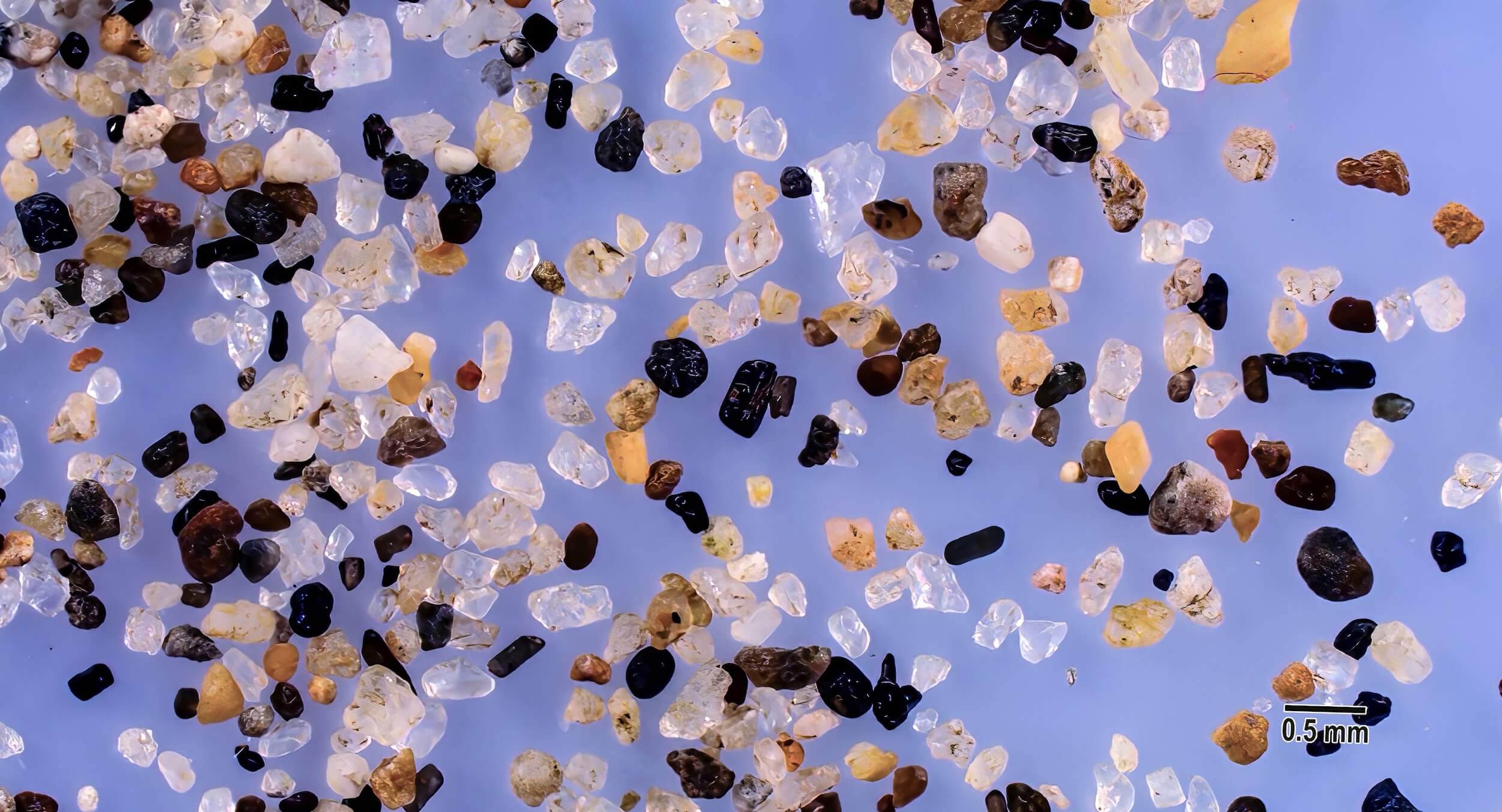
Relatively smooth-edged and small semitransparent quartz and tan feldspar grains along with black volcanic grains are representative of the Tattori Sand Dunes. Some of the dark grains with a rectangular shape are likely basalt.
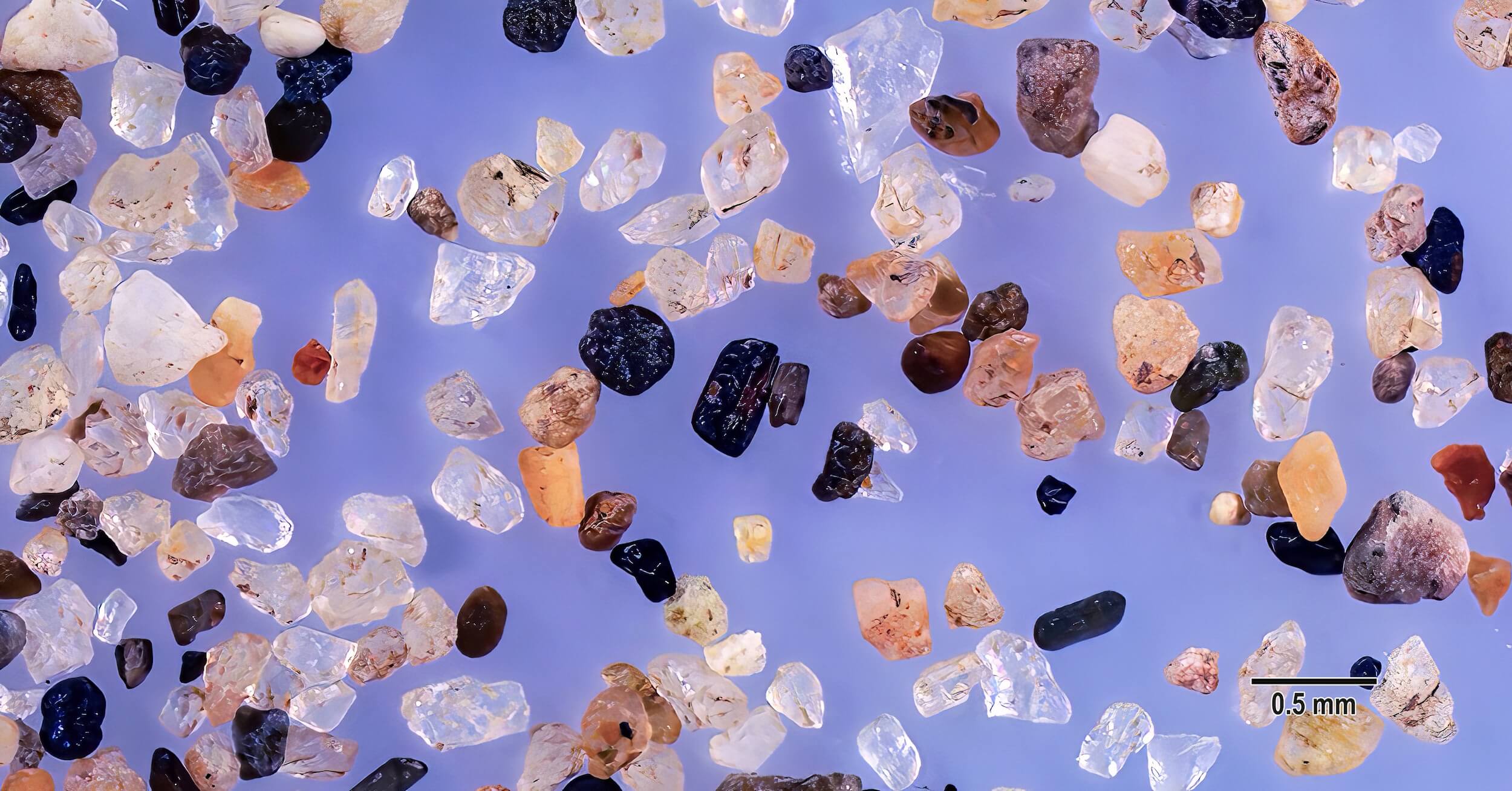
This higher magnification shows some of the details of the previous image. Tan grans with 90-degree angles are feldspar. Black and reddish black grains are most likely basalt. Most grains have relatively smooth edges worn down from long exposure to wind and wave action.
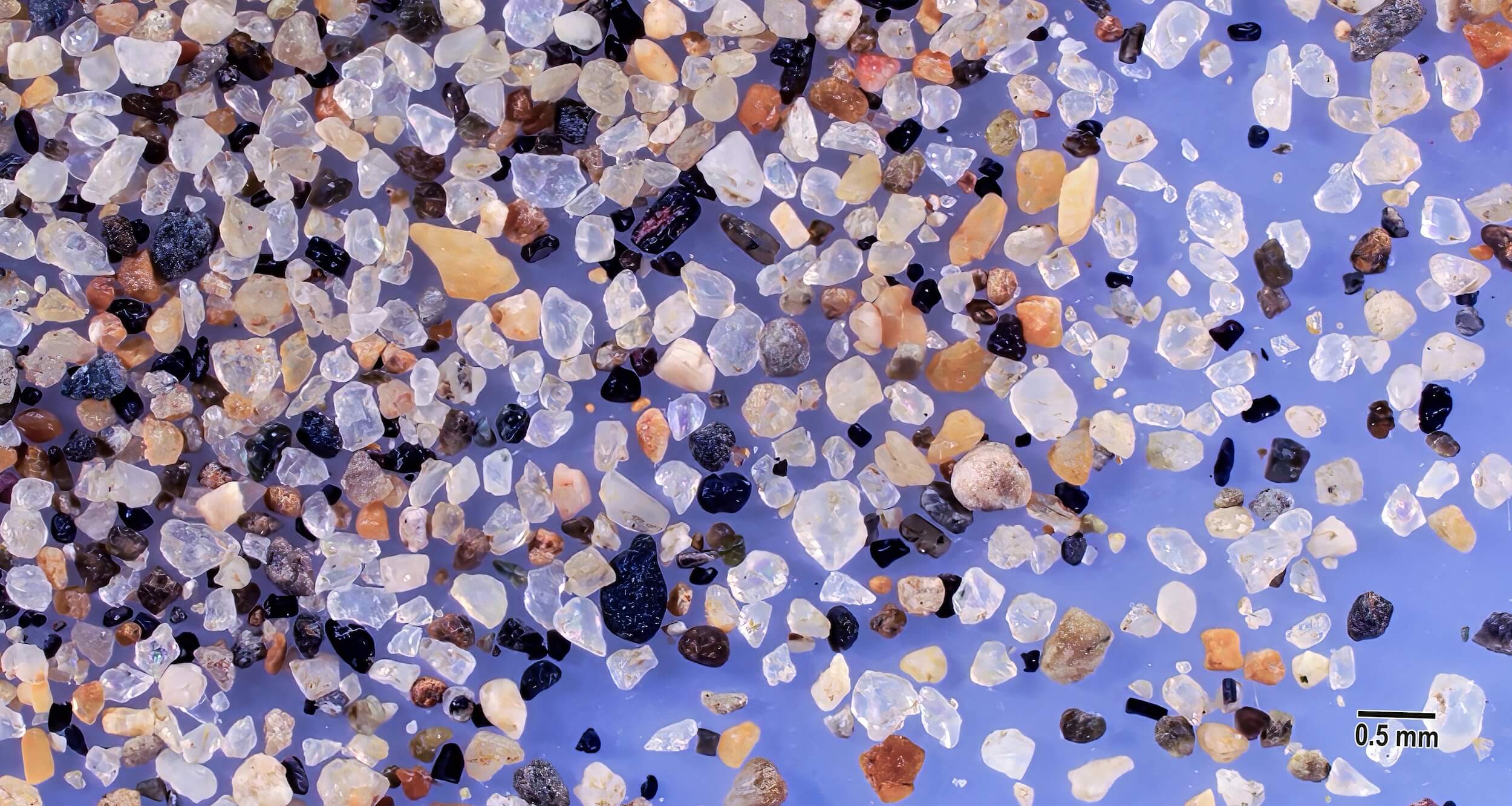
Although this sand mixture consists of relatively small grains less than half a millimeter, occasional slightly larger grains as well as some extremely small grains represent components Tattori Sand Dunes.
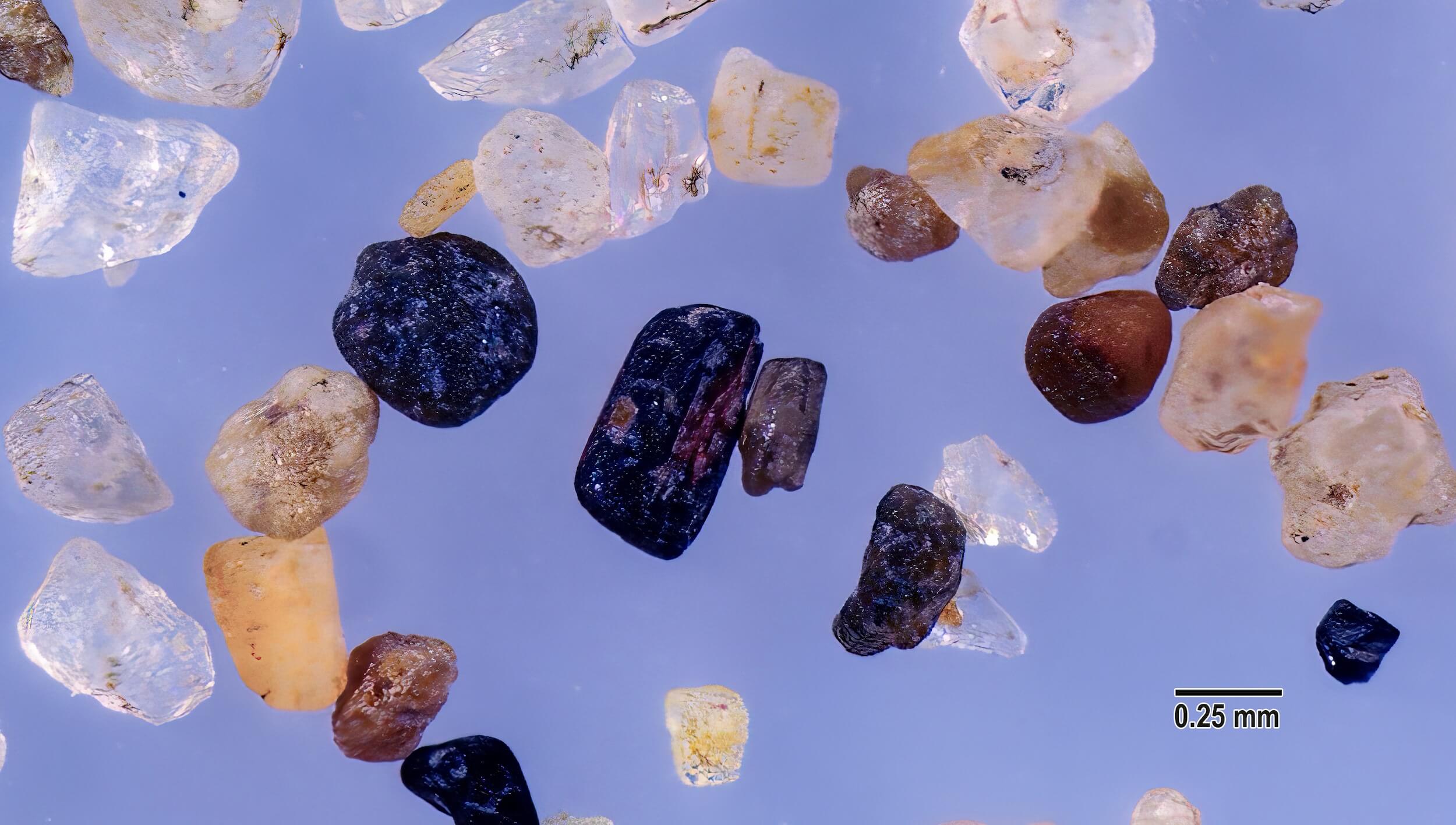
This is a very high magnification of sand grains shown in two previous figures. Semitransparent grains are quartz, grains with tan coloration are likely feldspar, while black and reddish-black grains are volcanic bits that are most likely basalt.