
Sand Overview
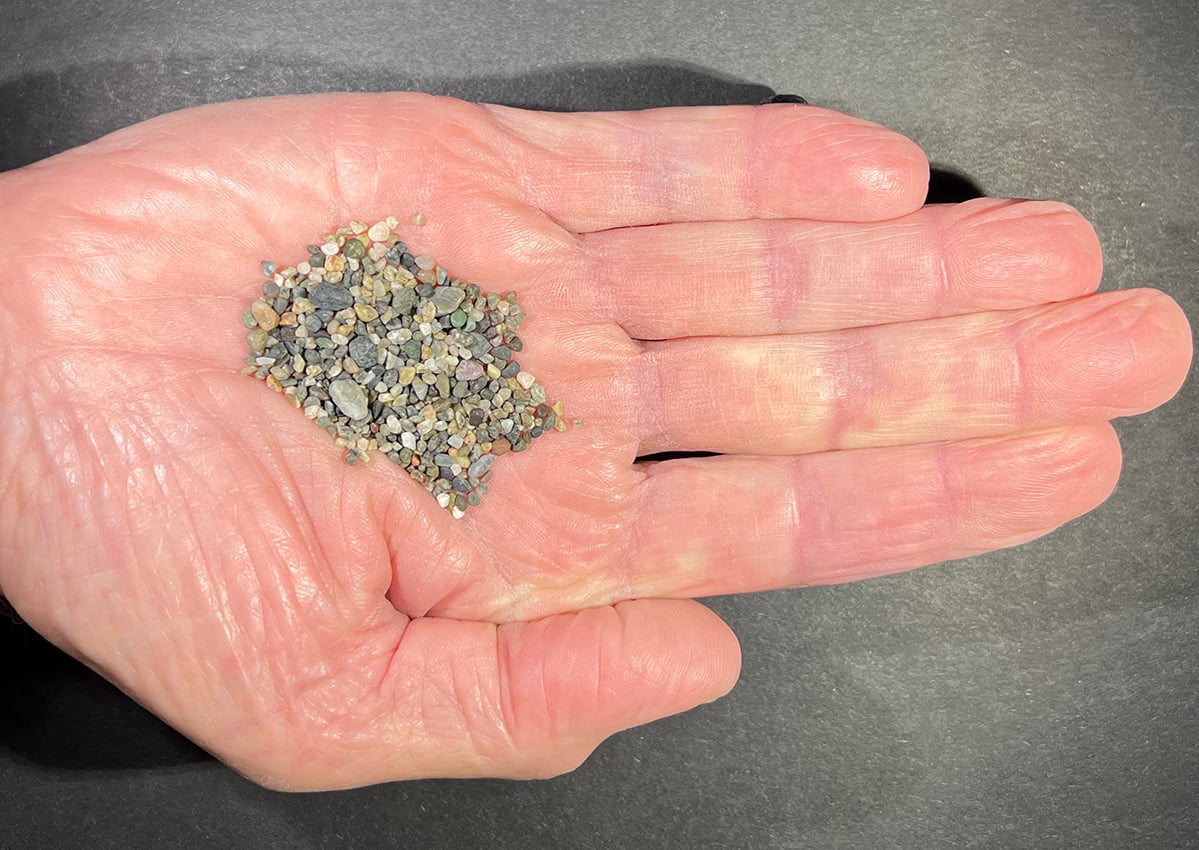
Set against a backdrop of green pine trees and an azure sea, Katsurahama Beach sand represents a diverse mineral and lithic composition washed down by regional rivers.
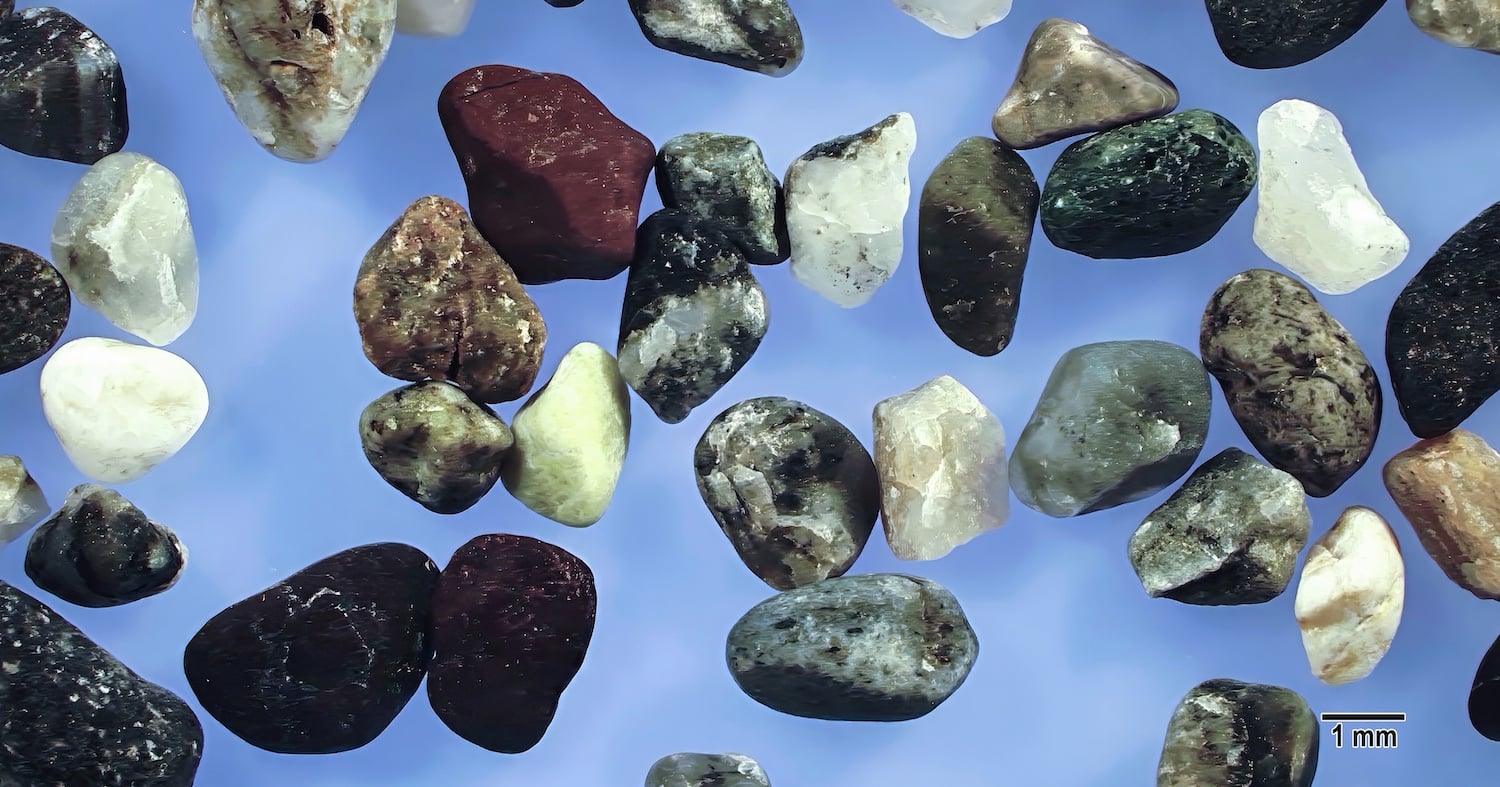
This mixture of white, tan, gray, reddish and green sand grains represent geological components of Katsurahama beach. A white banded black sand grain in the center may reflect a mixture of two rock components.
Geographic Overview
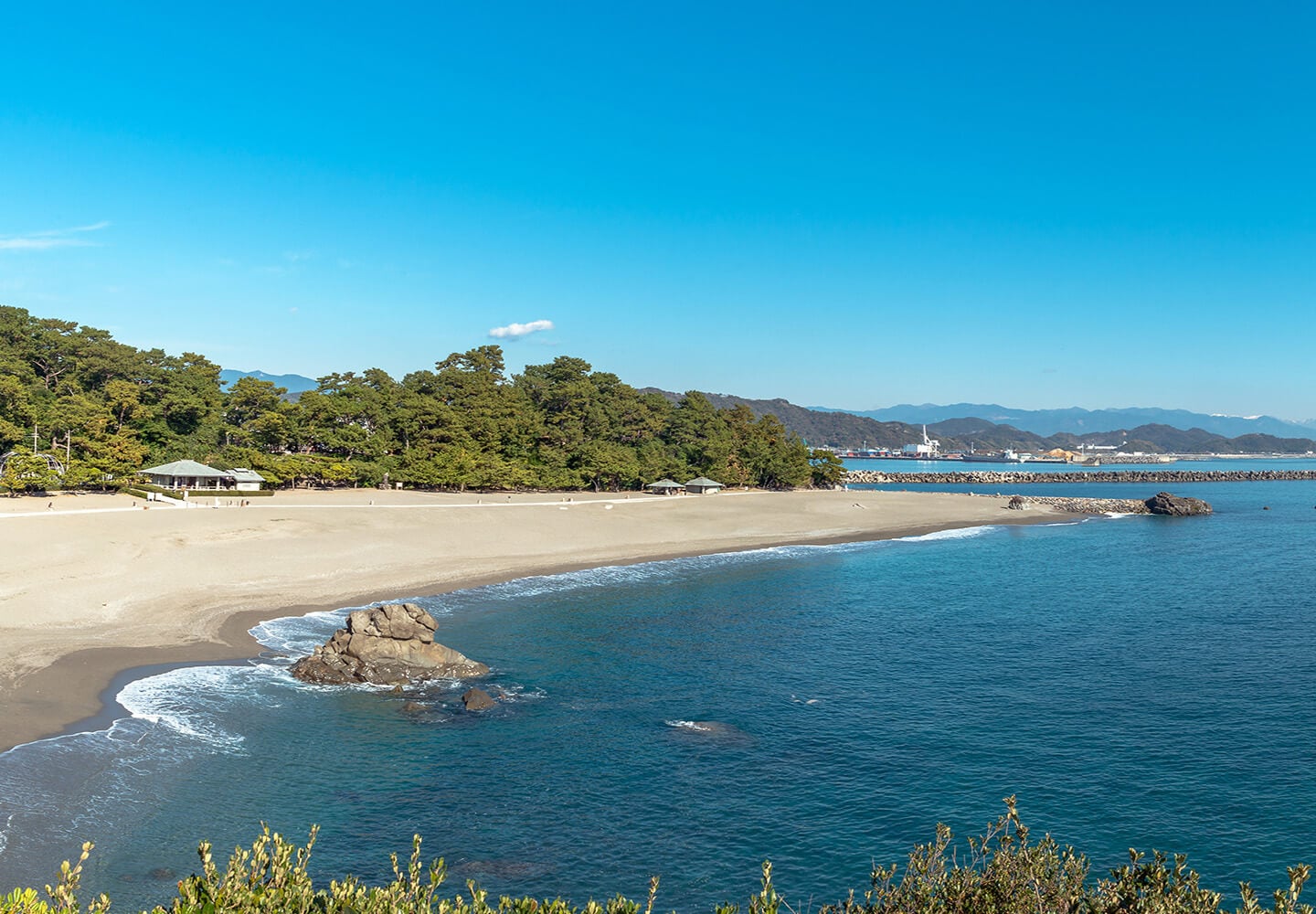
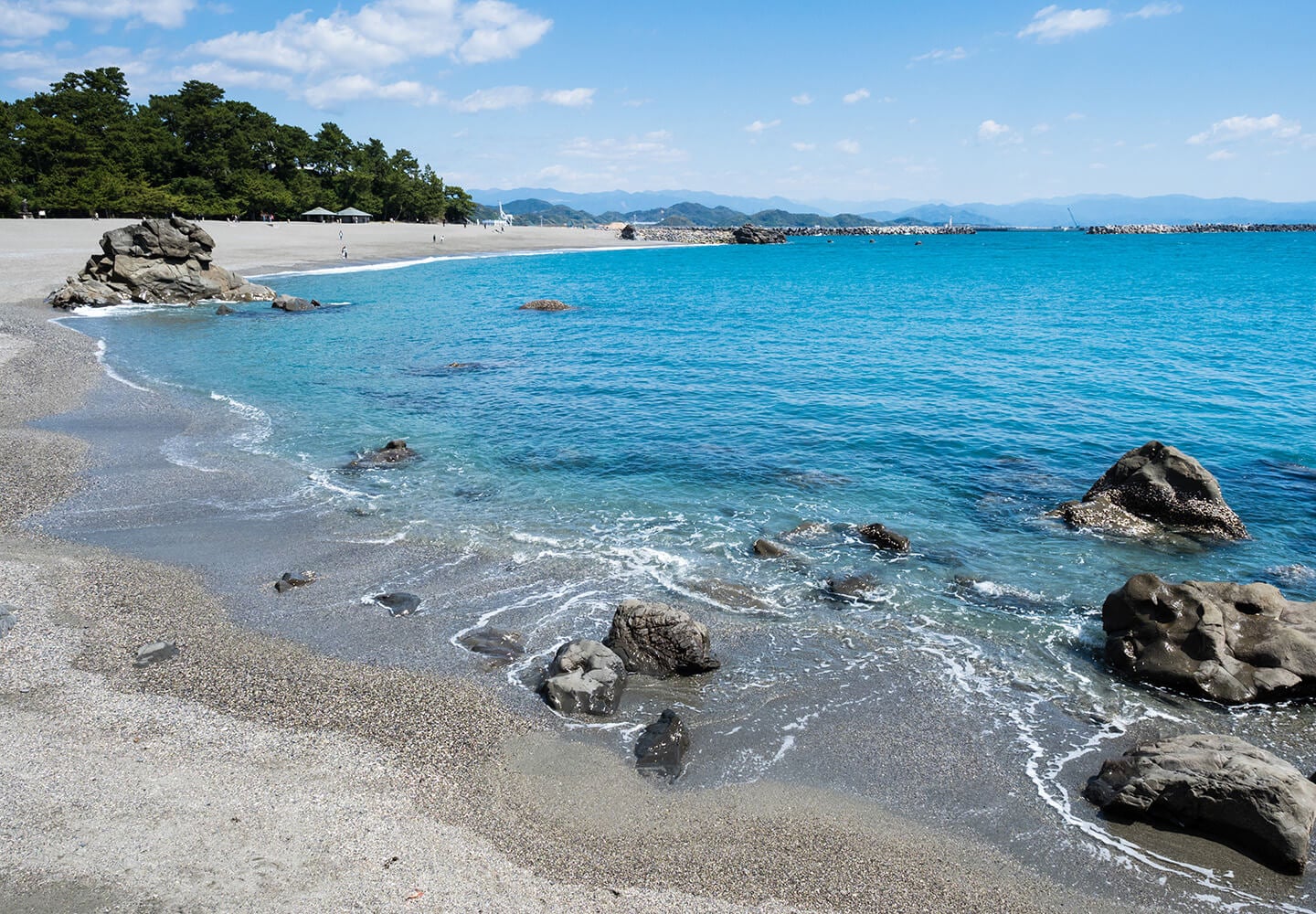
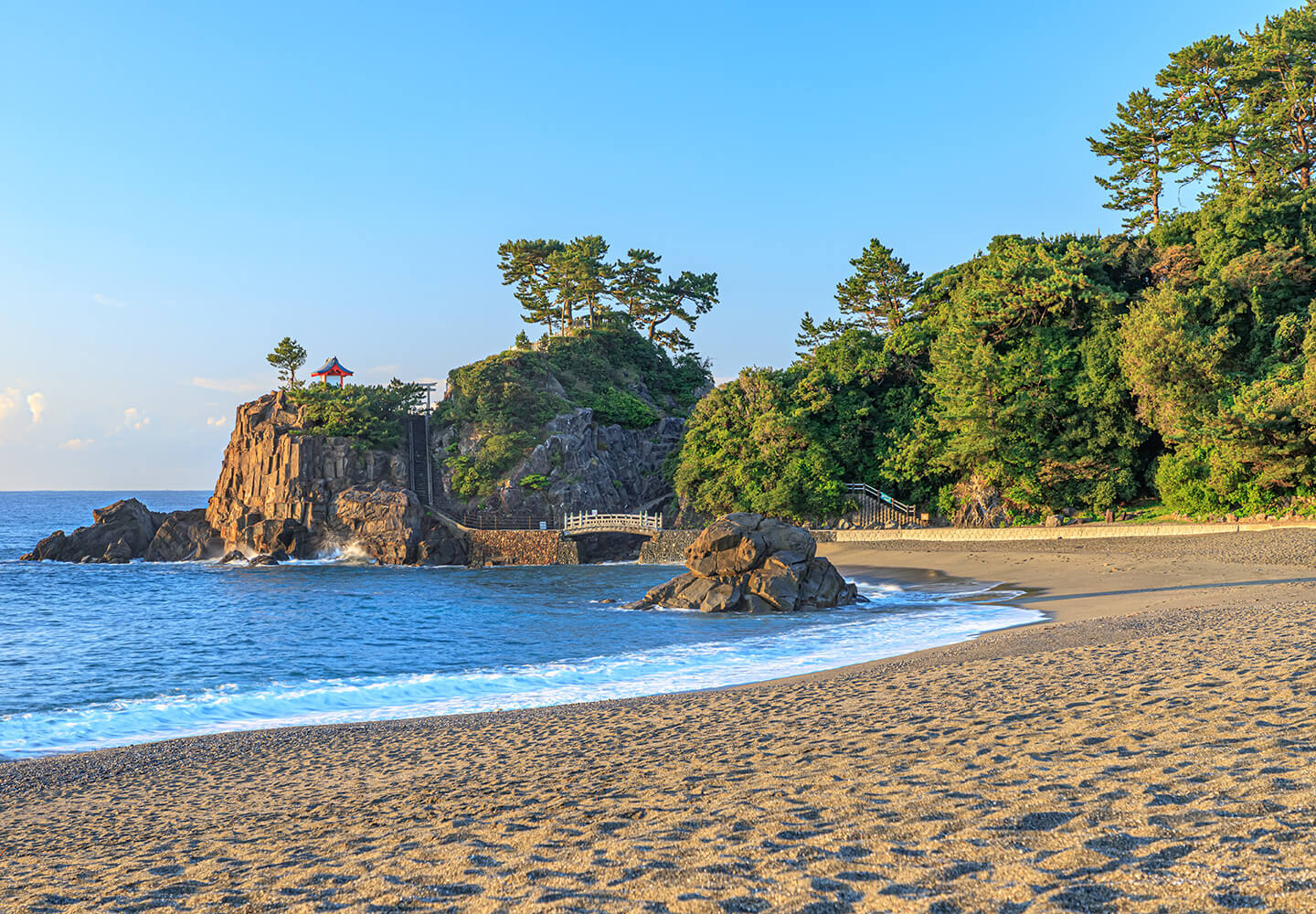

The wave-washed sand granules and pebbles of Katsurahama Beach, smoothed by the Pacific surf along the shoreline, are celebrated as Goshiki-ishi (Five-Color Stones). Their palette of green, red, white, yellow, and black reflects the complex geological strata eroded upstream.
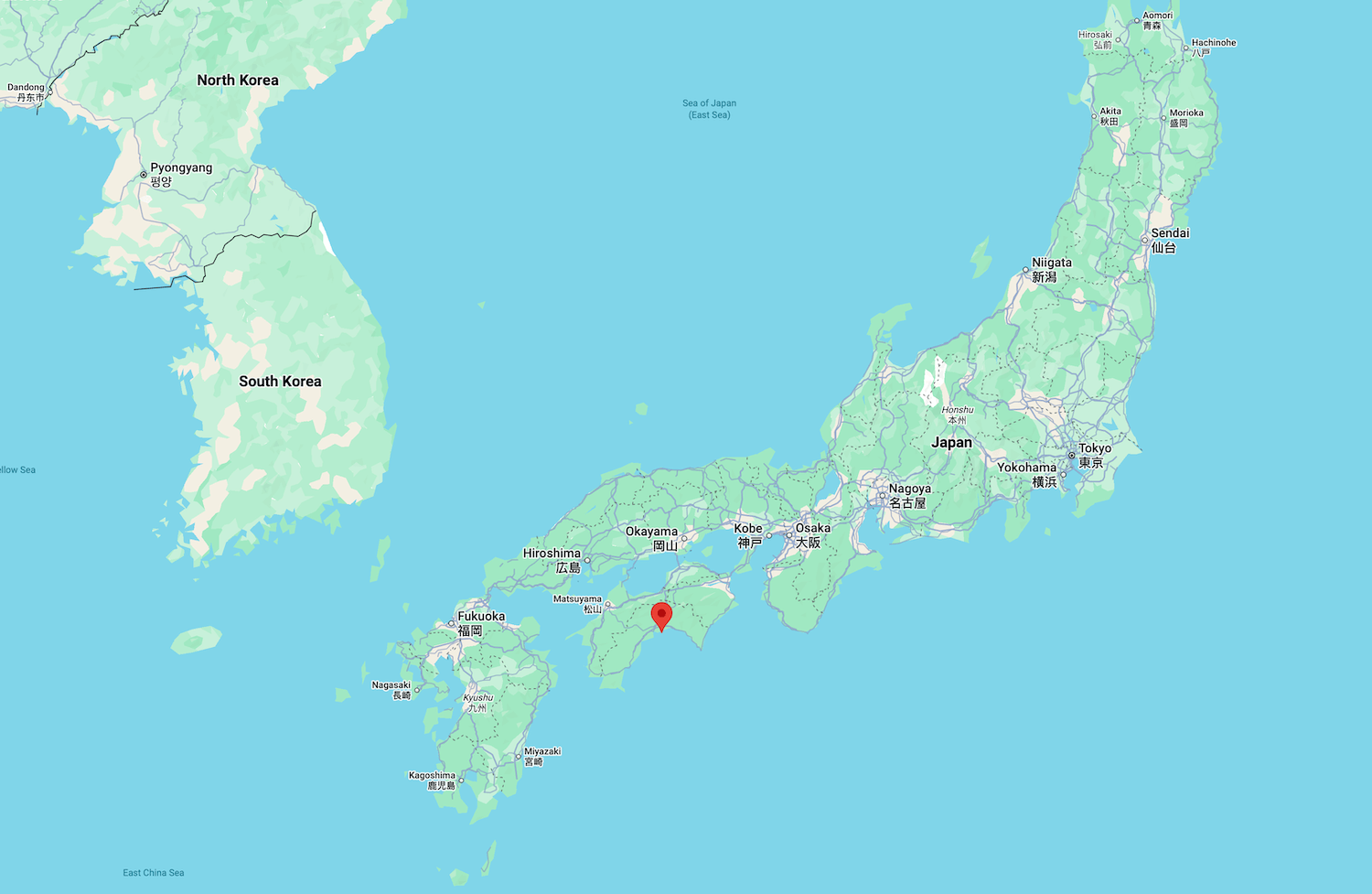
Sand Location
See where this sand sample was collected on Google Maps.

Virtual Sand Tour
Explore an interactive map of Katsurahama on Google Earth.
Sand Gallery
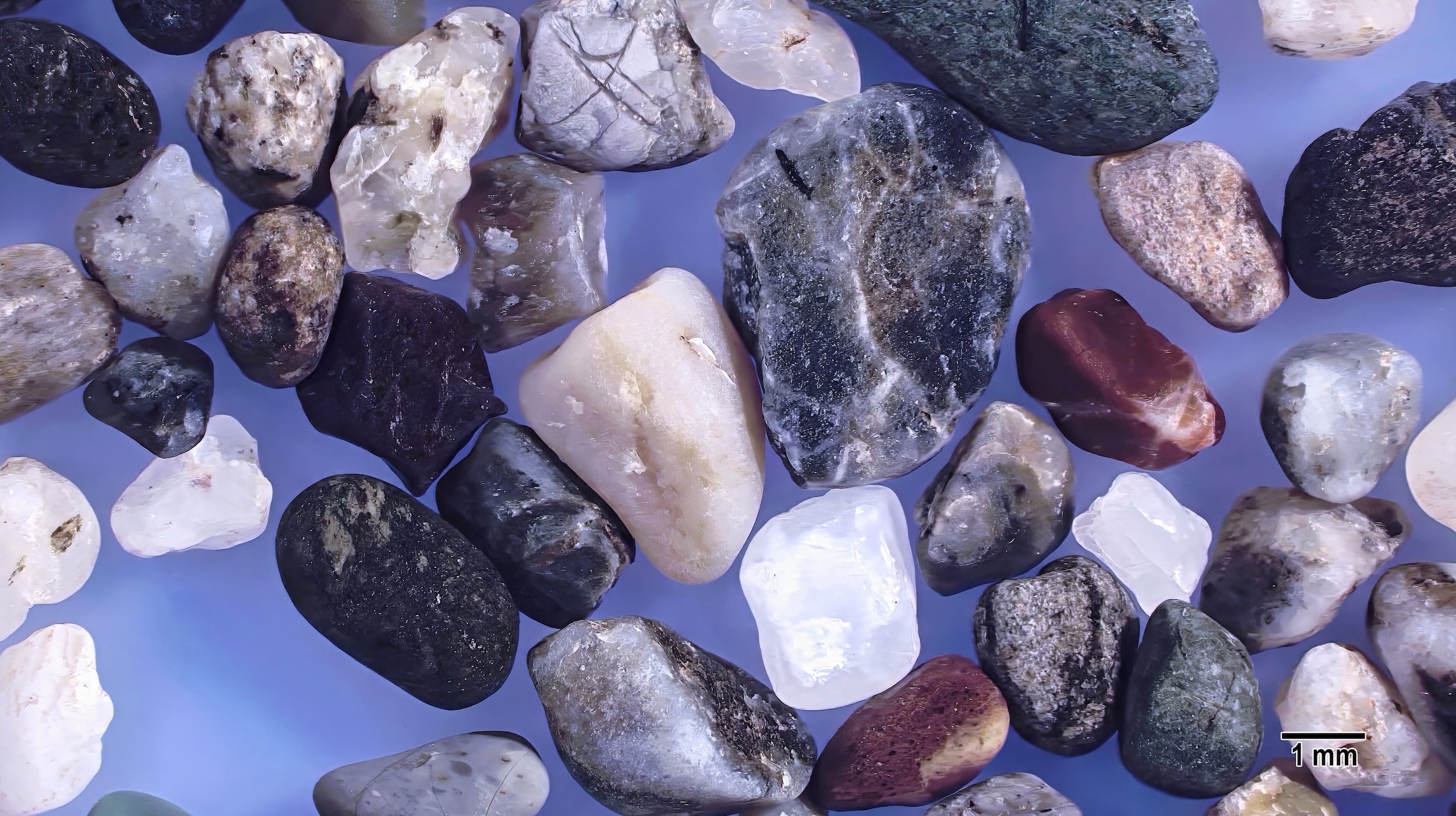
This mixture of sand grains smoothly worn by the Pacific surf includes white and off-white quartz, black, gray and light brown sandstone, and a reddish-brown iron oxide mafic sand grains.
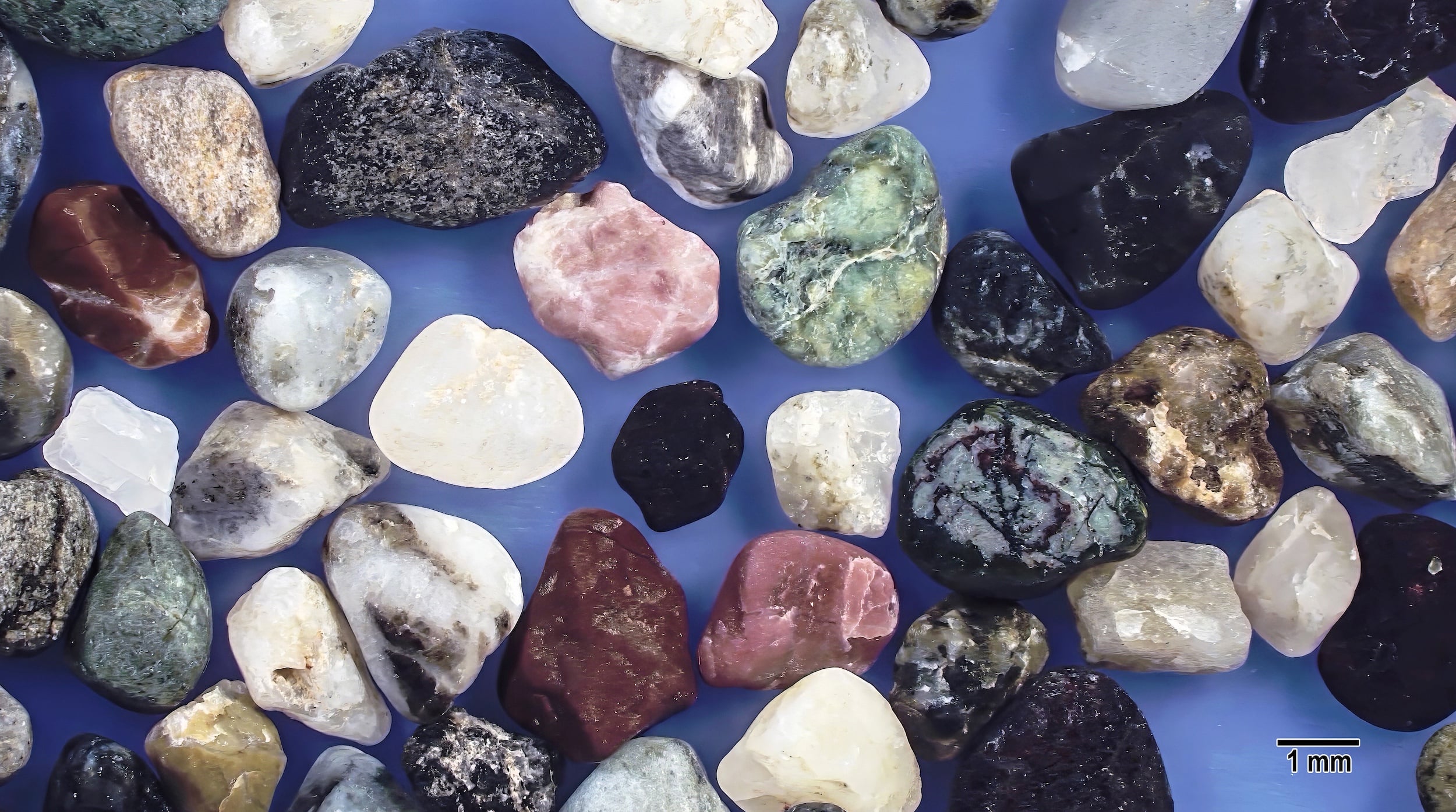
In addition to white and off-white quartz sand grains, reddish-brown and pink grains represent mafic fragments rich in magnesium and iron. The mottled green grain at upper center likely contains chlorite and other green clay minerals.
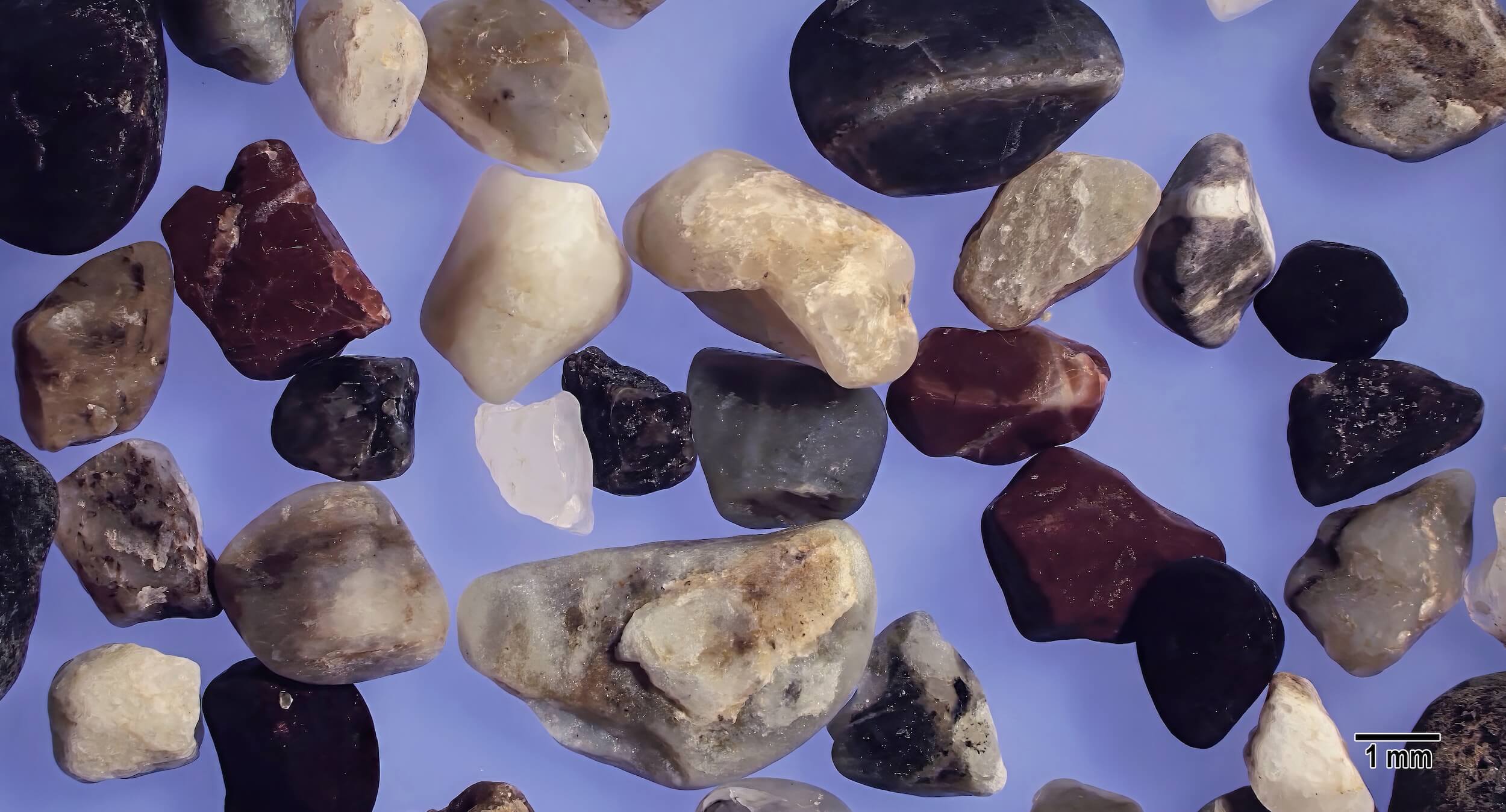
Variably sized sand grains ranging in coloration from white to black reflect many years of surface smoothing by wave, wind, and interactive collision. Darker grains are likely a form of basalt while lighter grains likely have a higher percentage of silica.
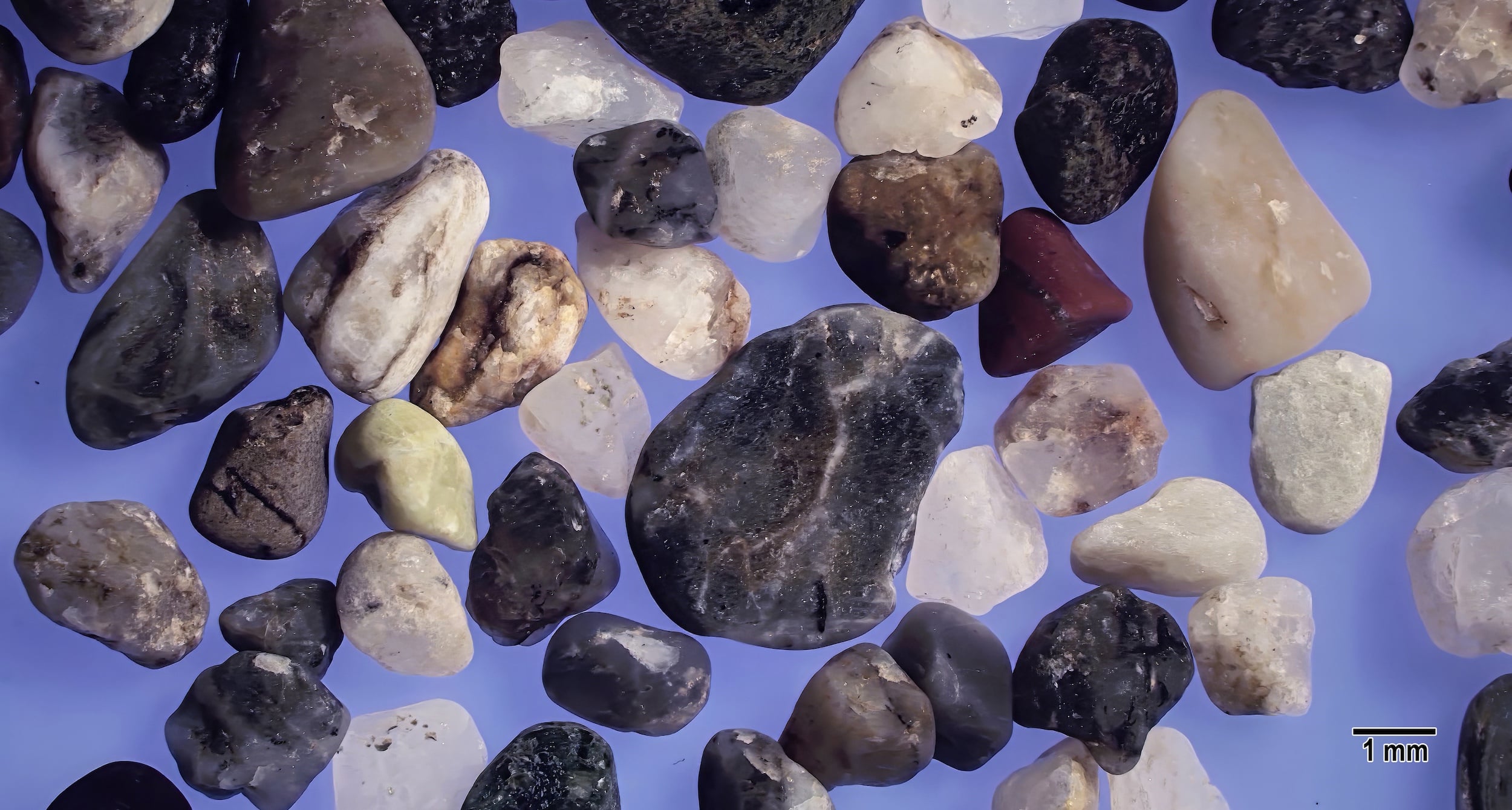
This mixture of dark and light smoothed surface sand grains reflects the spectrum of mafic and felsic rock fragments that have been worn smooth by decades of wave and wind exposure.
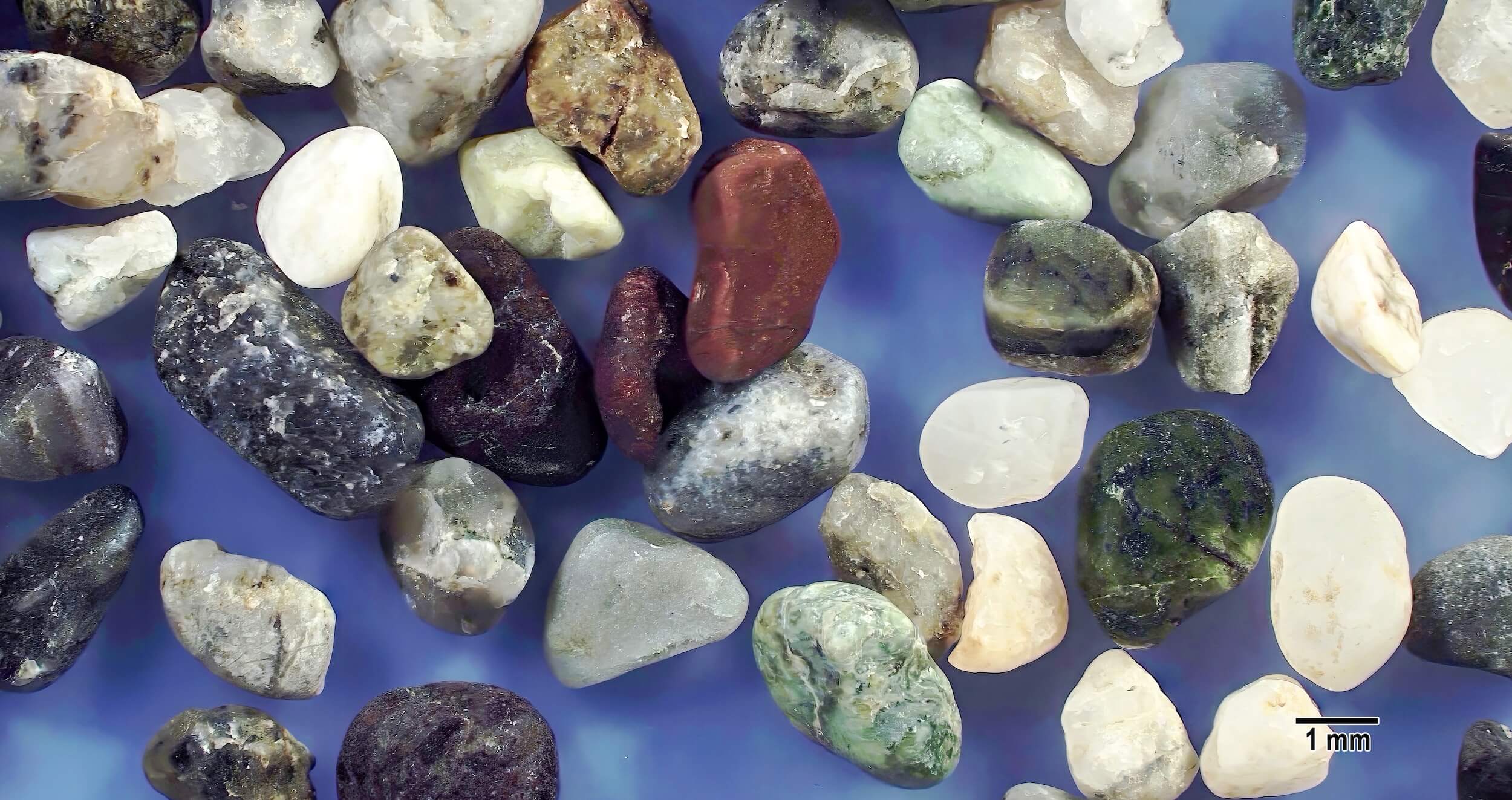
Multicolored porphyritic conglomerate sand grains include semitranslucent green grains that probably contain chlorite and other clay minerals. The smooth edges of the grains reflect many years of exposure to wave and wind action.
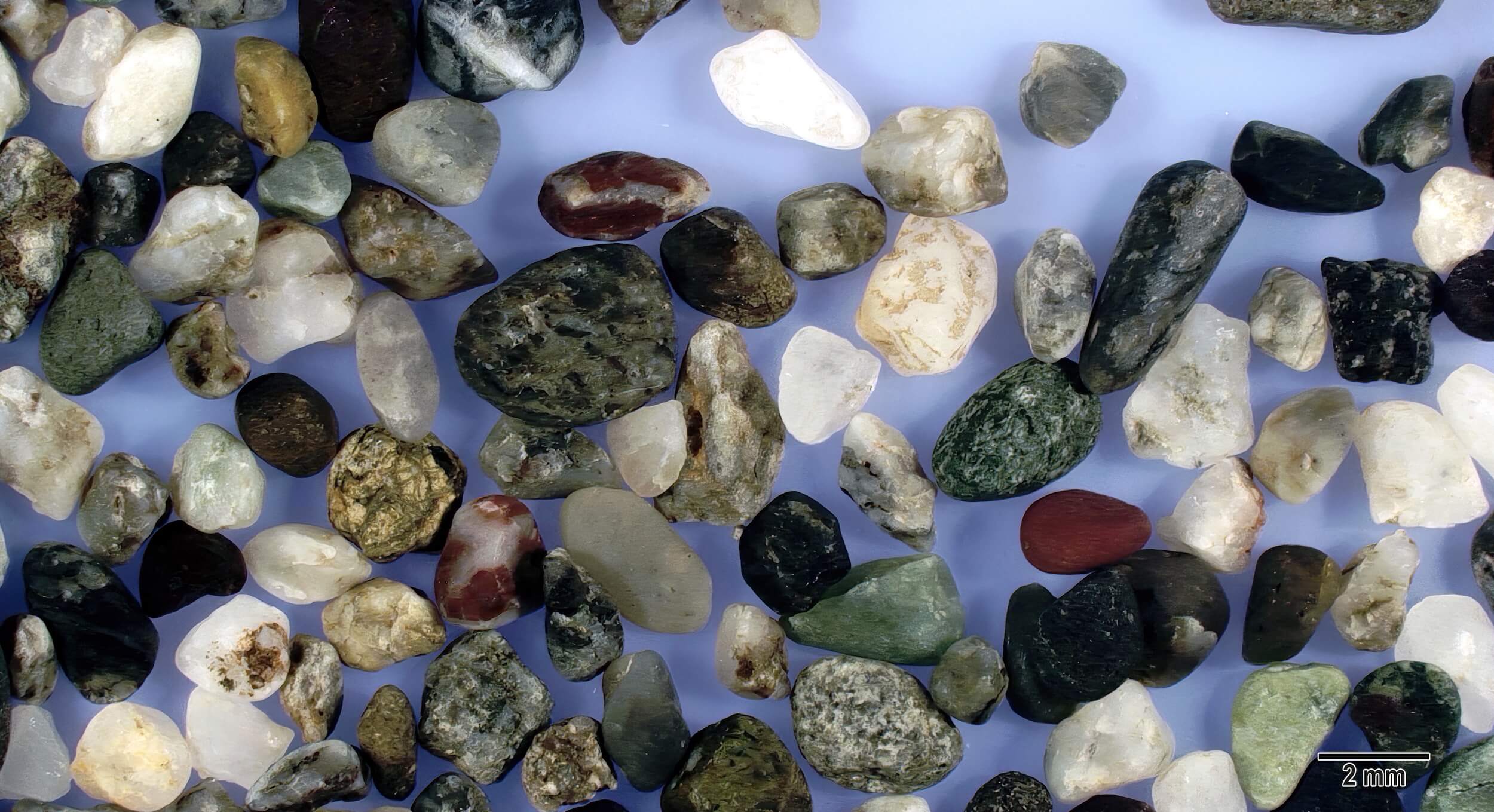
This low magnification shows the spectrum of dark color mafic rock grains along with white feldspar grains. Solid and mottled black grains likely represent basalt while greenish grains may reflect chlorite and possibly some olivine content. All grains have been worn smooth by decades of exposure to waves.