
Sand Overview
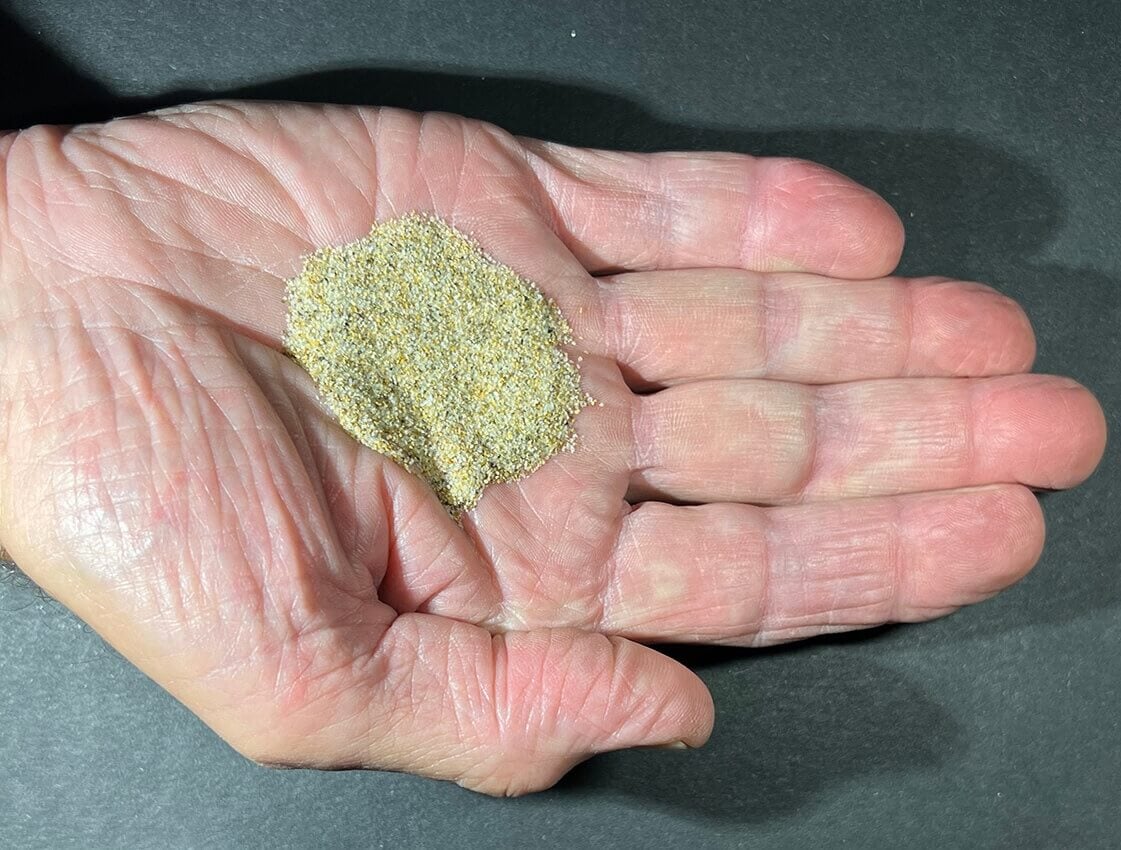
Kotohikihama beach sand is a mixture of largely translucent and white quartz, light tan feldspar and a small proportion of pigmented geological sand grains.
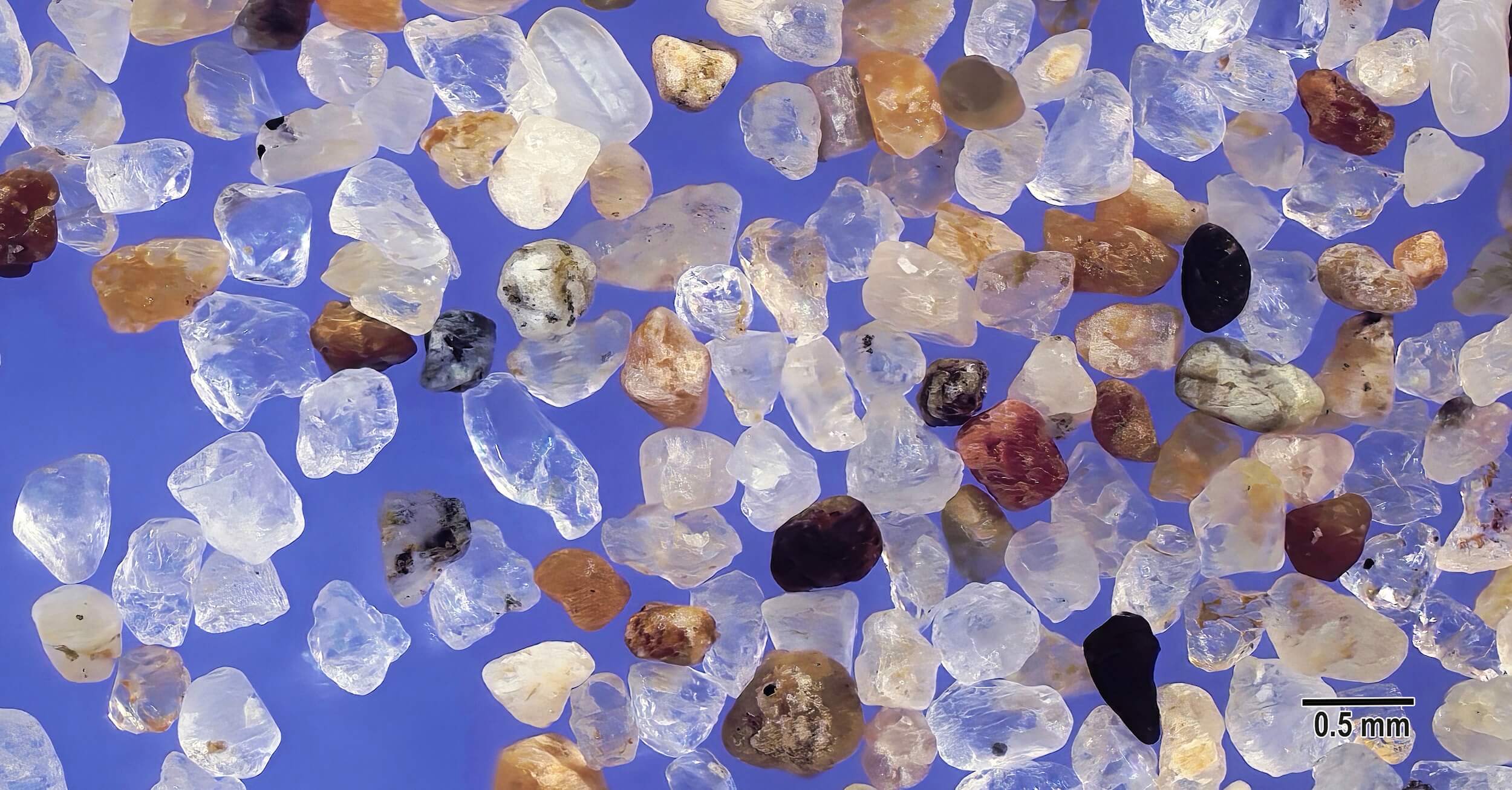
Plentiful predominantly smooth edged translucent and white quartz grains are accompanied by tan feldspar as well as brown, reddish-brown and black geological sand grains. All have relatively smooth edges attesting to long exposure to wave and wind action.
Geographic Overview
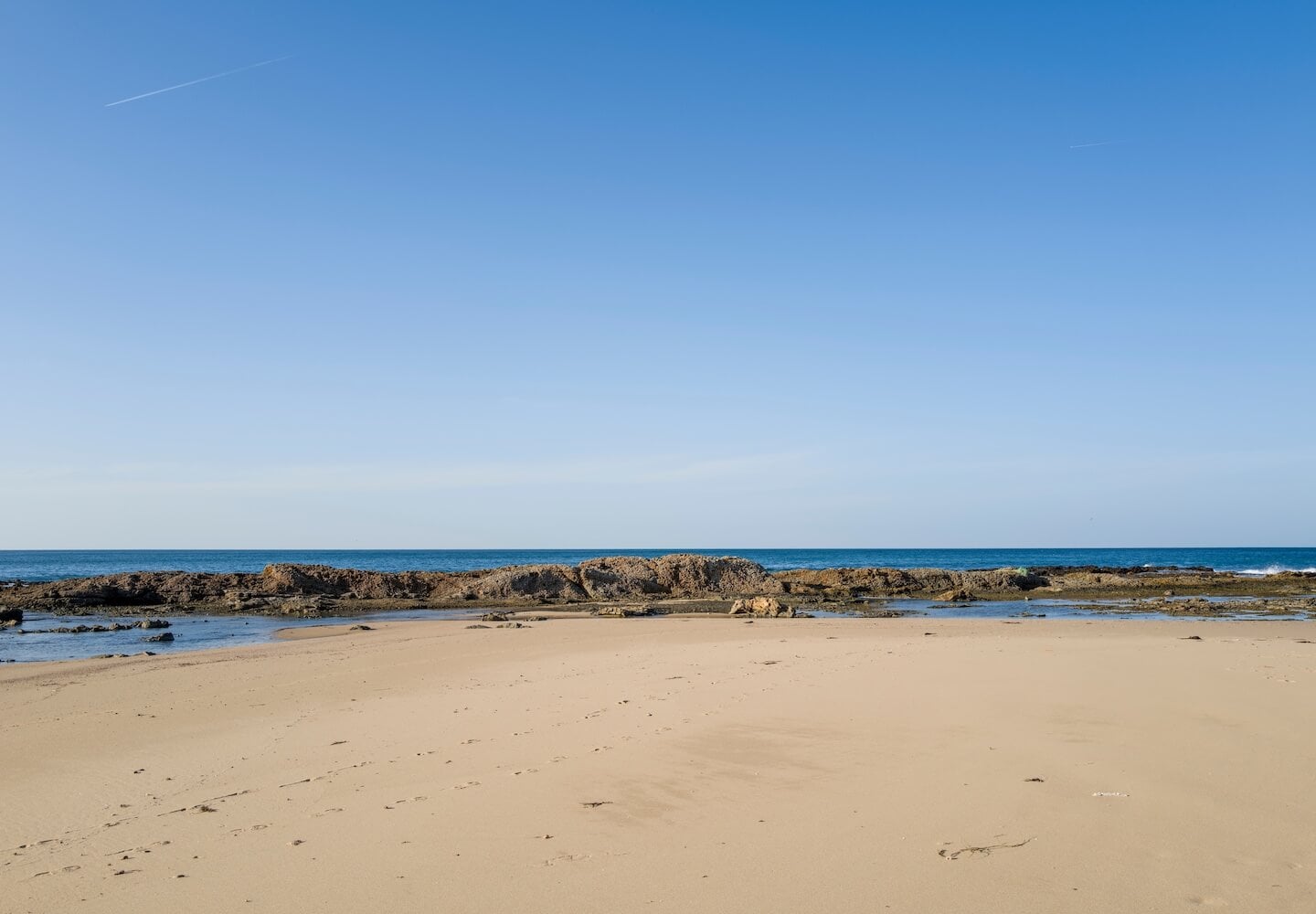
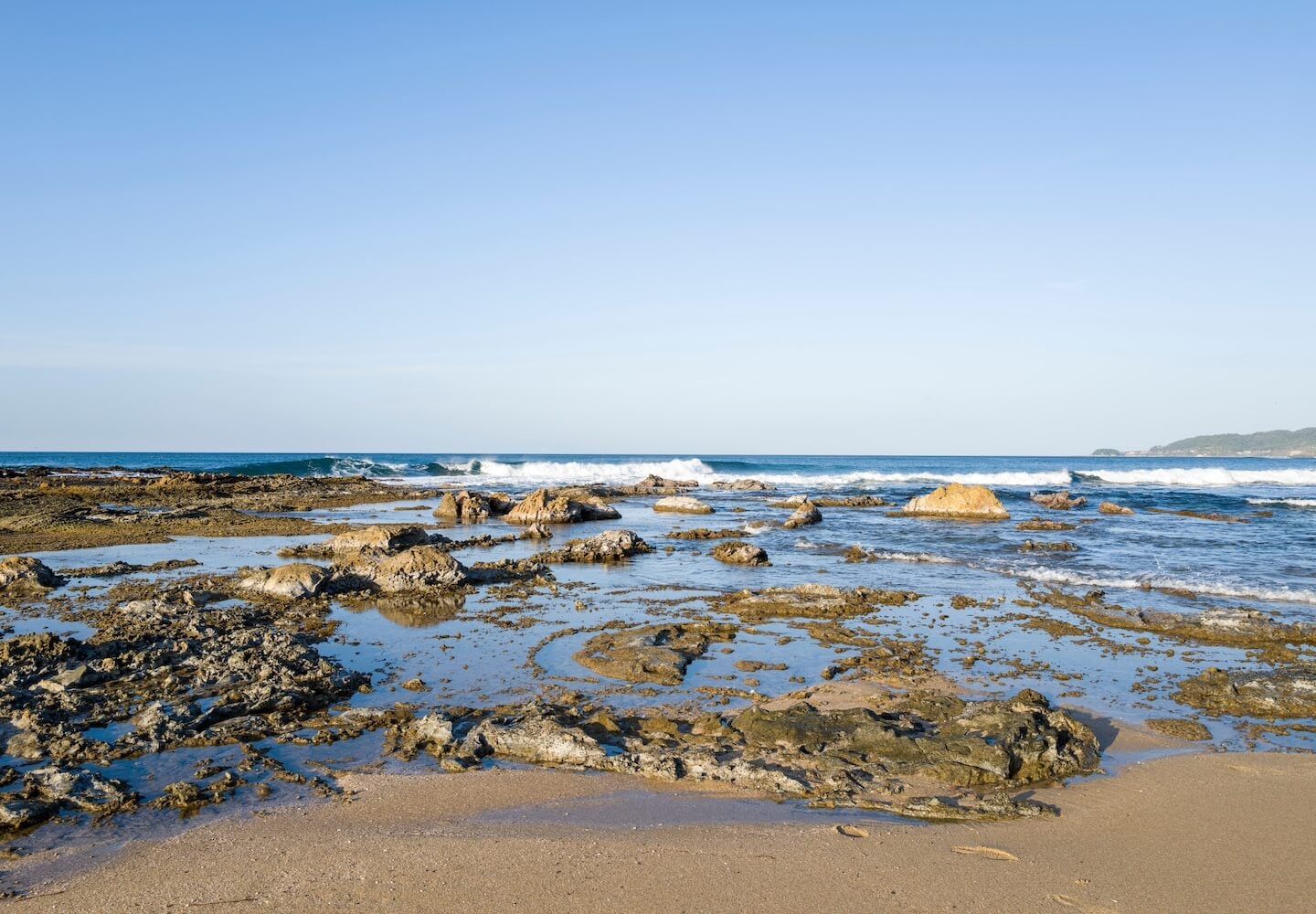
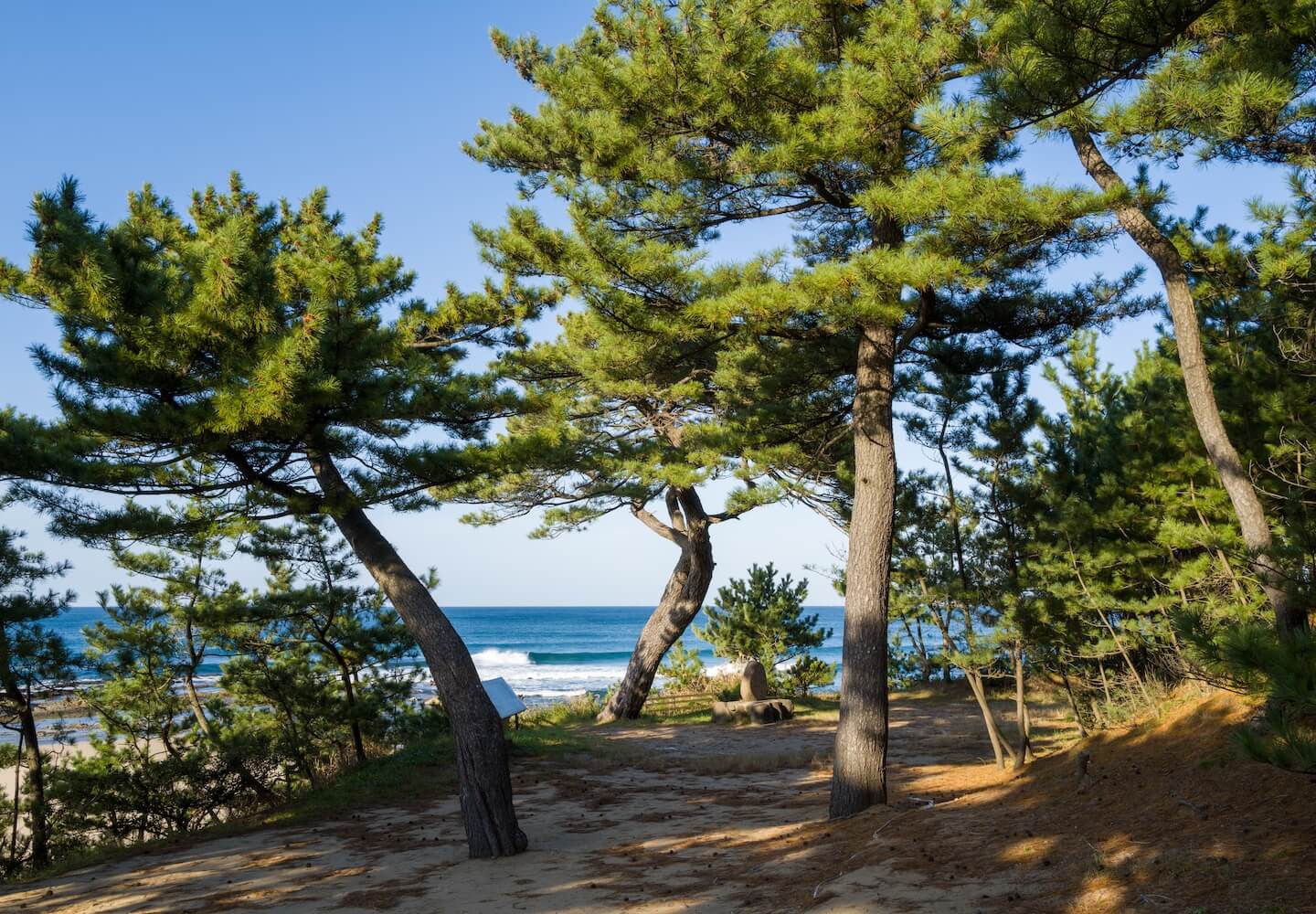
Kotohikihama Beach, a scenic 1.8 km beach with pine trees facing the Sea of Japan, is famous for being the largest “singing sand” beach in Japan. The main component of singing sand is quartz, which produces a unique squeaky tone only when the sand is clean and dry.
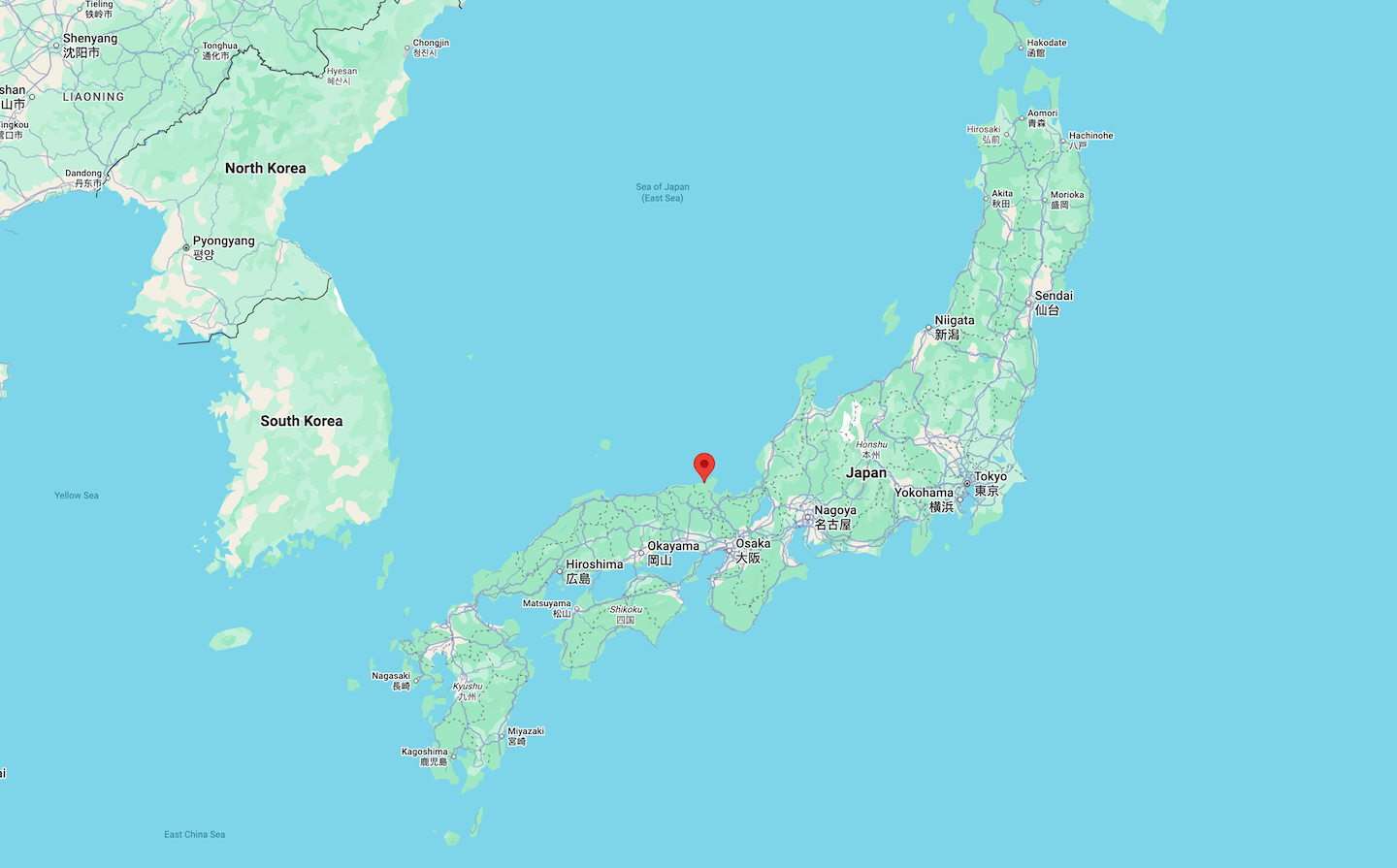
Sand Location
See where this sample was collected.
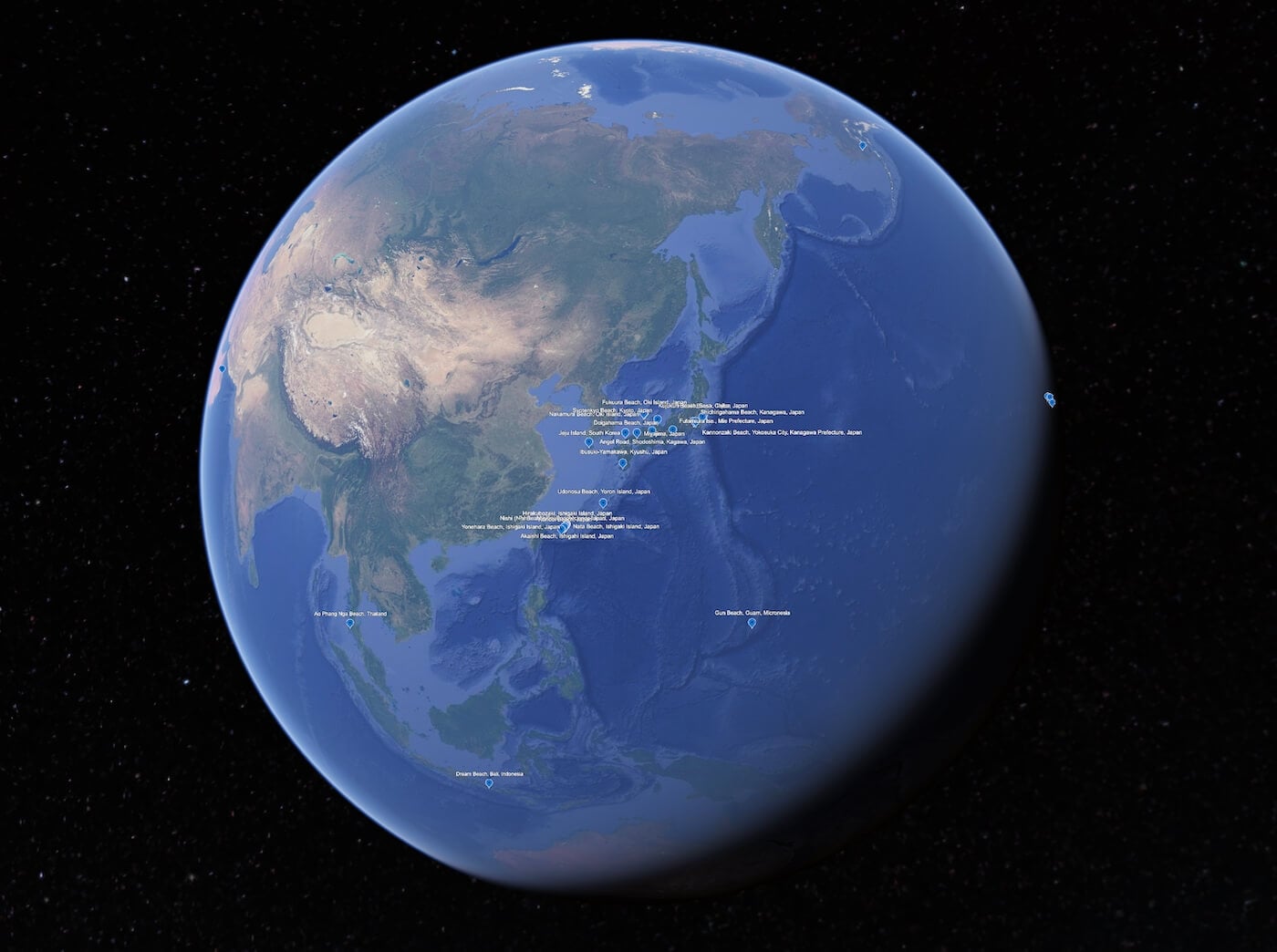
Virtual Sand Tour
Explore an interactive map of Kotohikihama Beach on Google Earth.
Sand Gallery
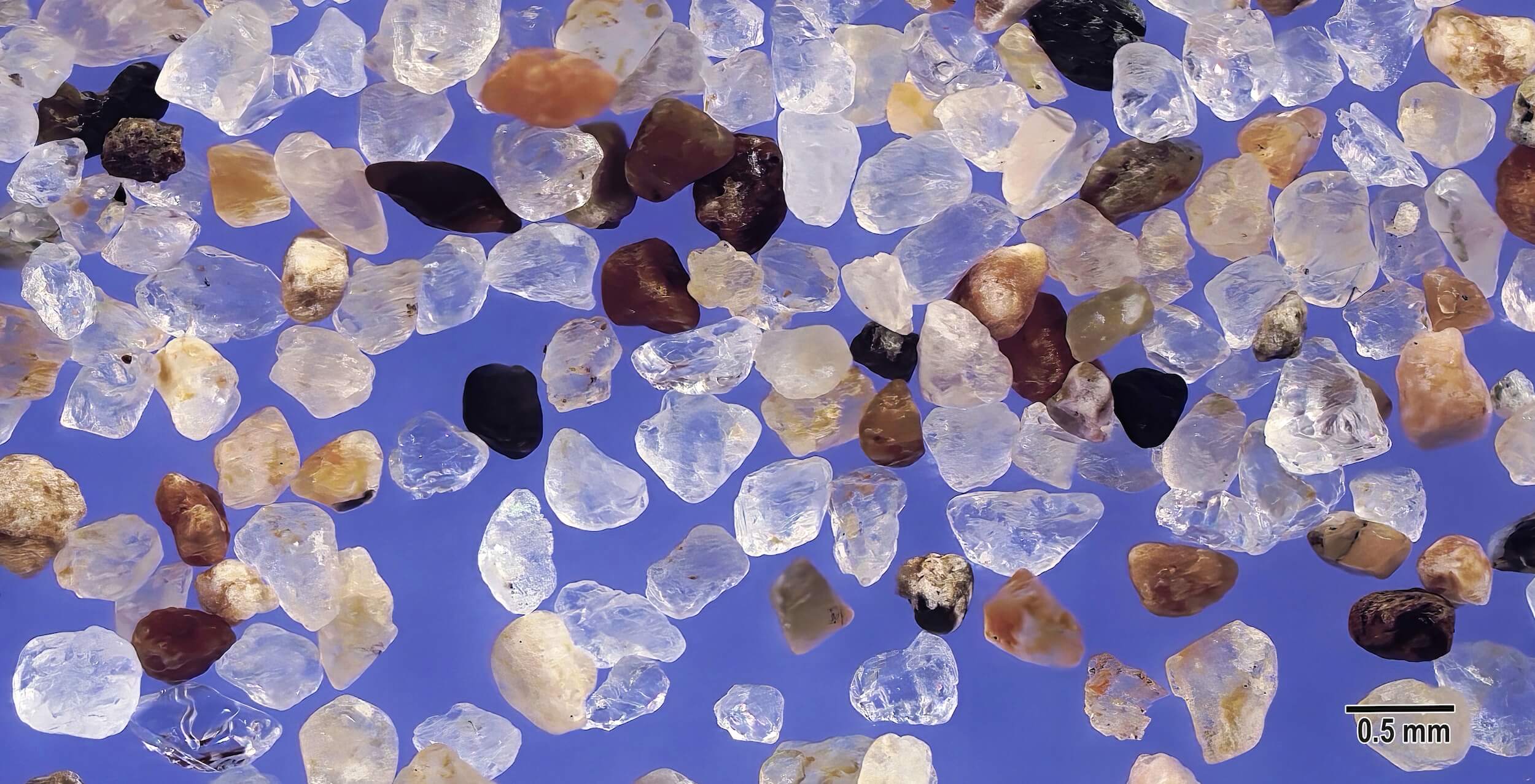
The majority of sand grains shown here are translucent quartz with many having smoothly rounded edges. Tan and brown grains, some with 90-degree edges, are likely feldspar. Dark brown and black grains represent other geological components of this sample.
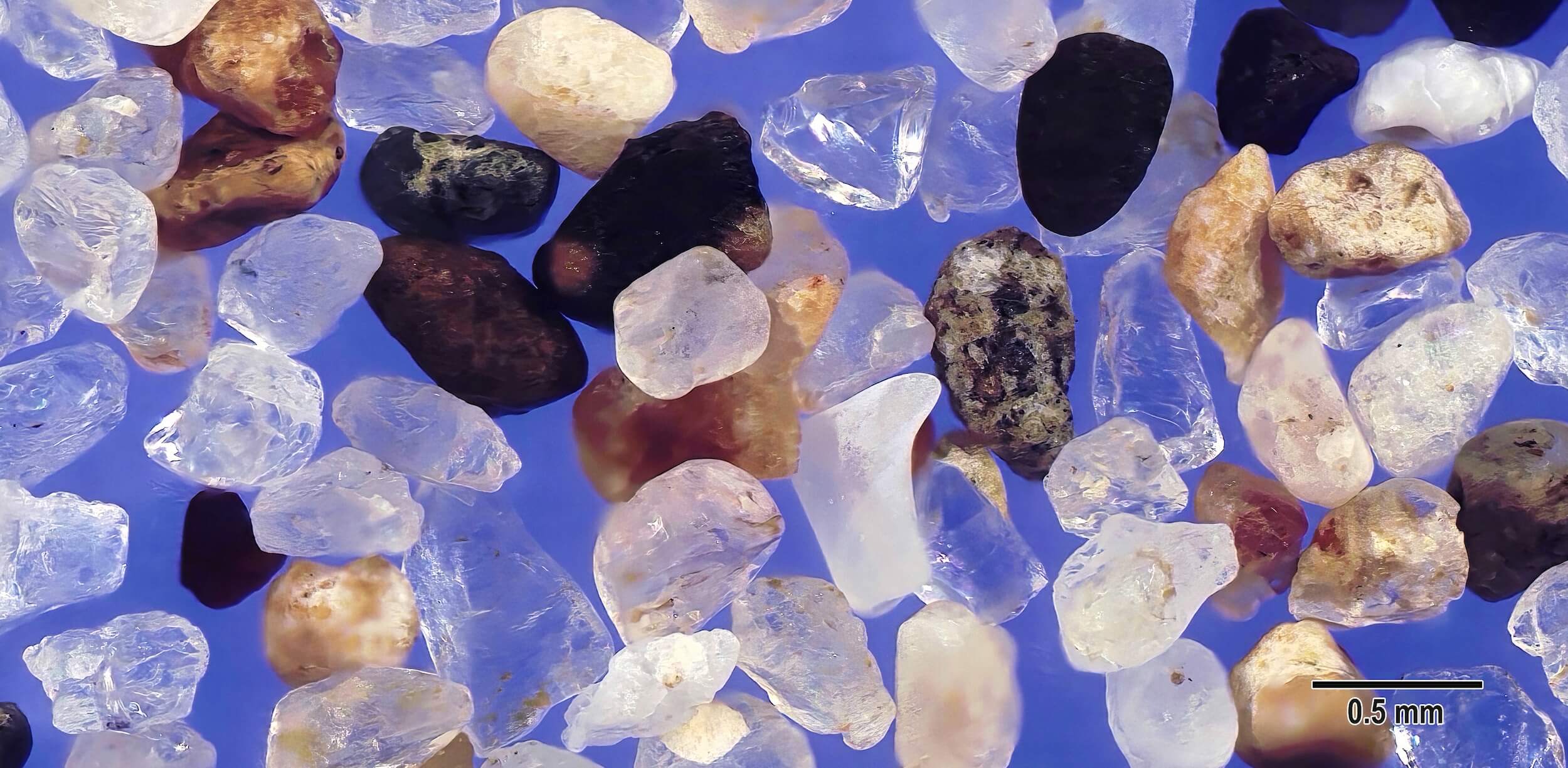
In this high magnification view translucent to very clear quartz grains are accompanied by dark reddish black, black and a gray grain with irregular black pigments that represent geological components of Kotohikihama Beach sand.
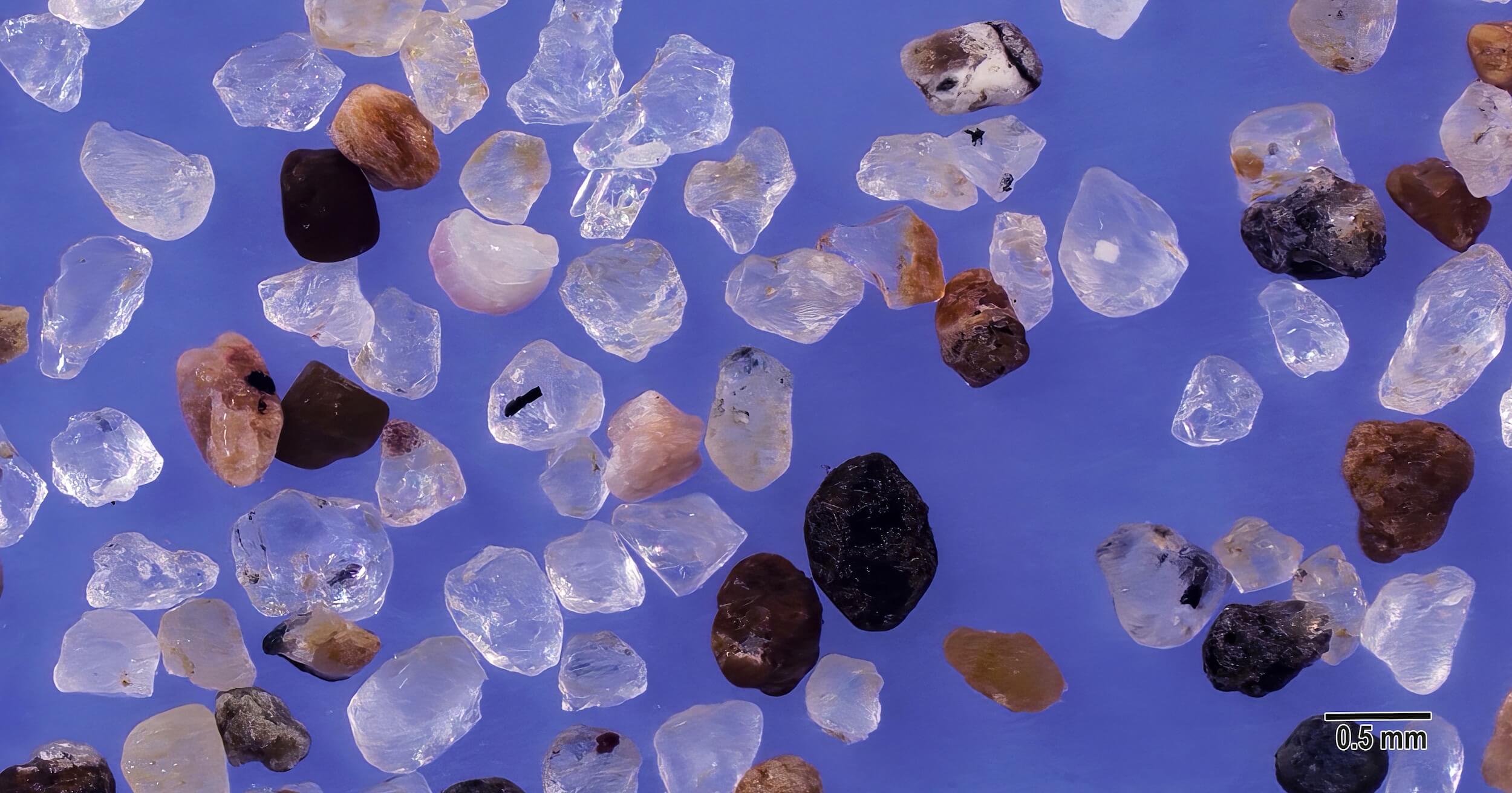
A large component of translucent smooth edged quartz grains is accompanied by tan, brown and back geological grains. Some of the translucent quartz contain black inclusions that may be black amphibole.
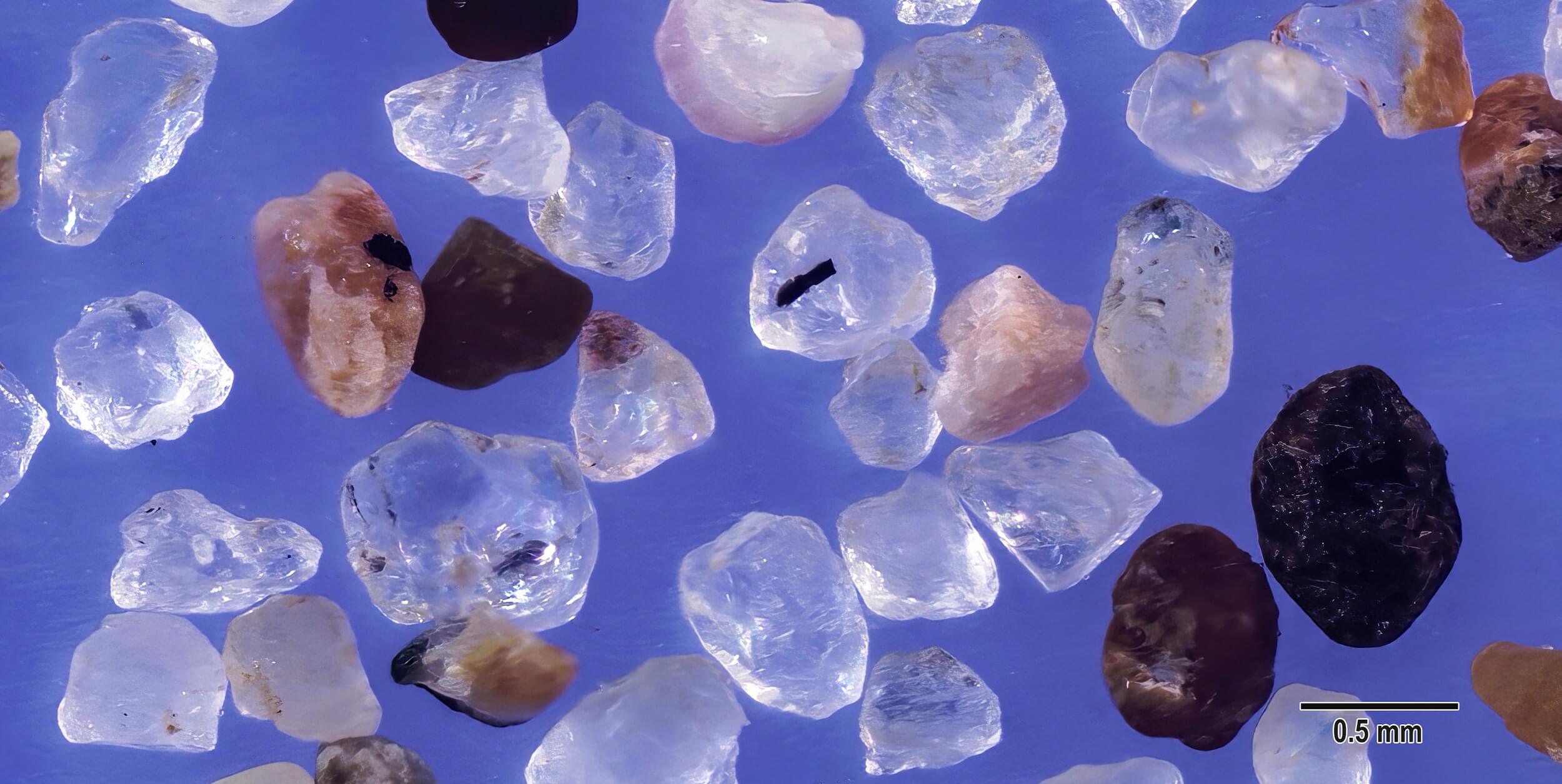
This higher magnification of the sample above shows some of the detains of the black inclusions in the translucent quartz, and tan feldspar. The dark grains may be a form of basalt.
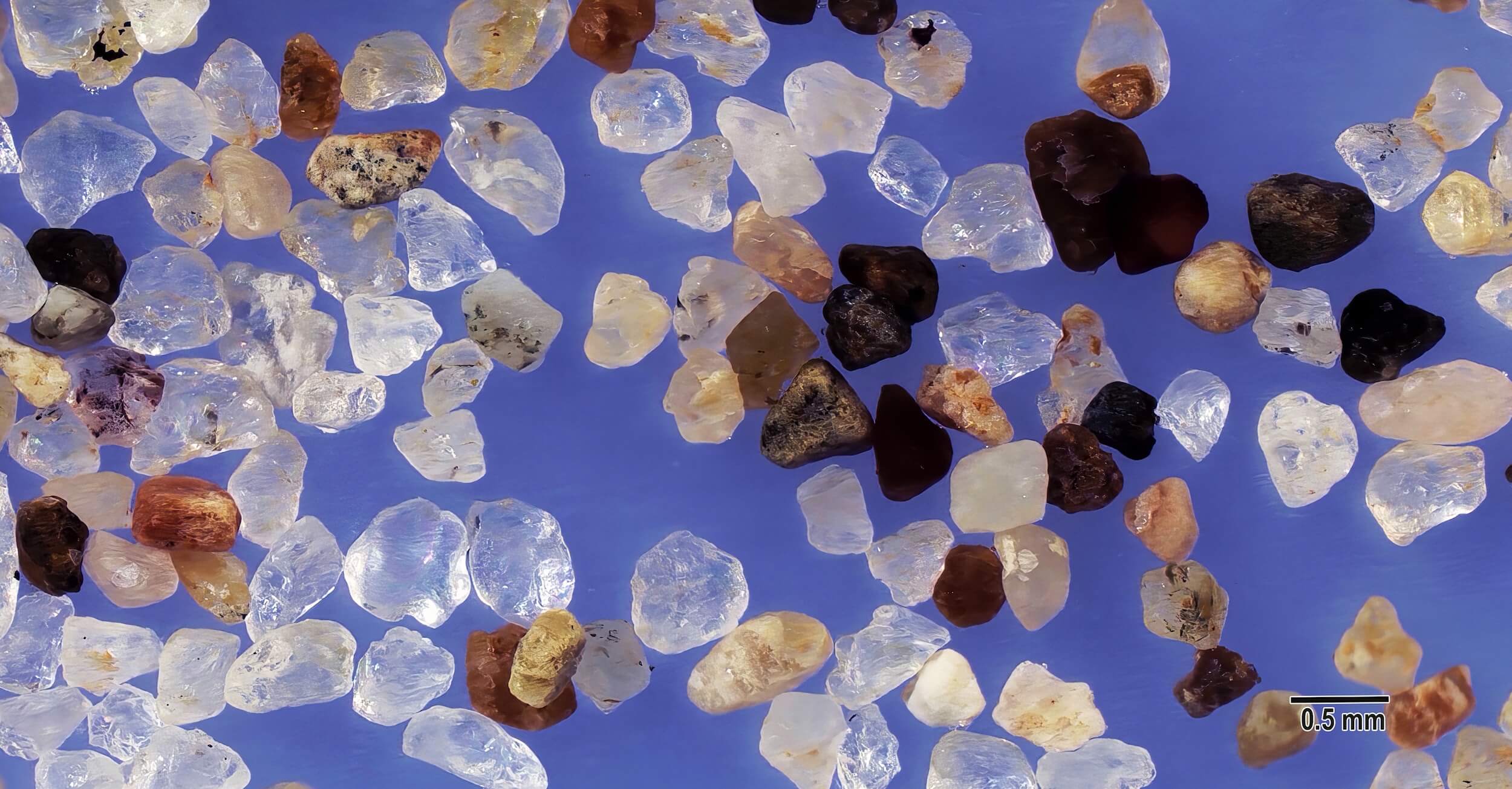
The majority of smooth-edged sand grains in this view include translucent quartz, quartz with dark inclusions, tan feldspar and reddish black igneous rock grains.